
How to Prepare for a Full Body Checkup: Do’s and Don’ts
We’ve all heard it time and again, “Prevention is better than cure.” And what better to use for good health but a saying as true as that. One of the easiest ways to maintain good health is by staying proactive and taking all the necessary steps to prevent chronic and lifestyle disorders. This can be done by proactively scheduling a full body checkup.
A full body checkup is an all-inclusive health screening that can help detect any potential health issues, even before the symptoms start to appear. These checkups give complete insights into the functioning of your body, checking all the organs, and identifying conditions like diabetes, high blood pressure, heart problems, cholesterol, and liver or kidney disorders, early.
But if you are planning to take a full body checkup, you mustn’t overlook important factors that can help you prepare for the checkup. Things like fasting or eating before the test, forgetting to disclose any existing conditions, or something as simple as skipping sleep, can affect the results of the full body checkup. So, before you schedule the complete checkup, don’t miss out on what to do and what not to do. Let’s learn more!
What Is a Full Body Checkup?
A full body checkup is a complete health screening that covers all aspects of your health and well-being using laboratory tests, diagnostic imaging, and physical examinations. The tests included in a full-body checkup package assess the working of all major organs to identify any signs or early symptoms of diseases. Generally, a full body checkup package includes:
- Blood tests that cover CBC, Glucose, cholesterol, liver, and kidney function tests)
- Urine analysis
- Blood pressure assessment and BMI check
- Heart screening using ECG
- Thyroid function tests
- Vitamin deficiency tests
Why Does Preparation Matter Before a Full Body Checkup?
Preparation is an essential part before a full body checkup. This is because the tests included in a full body checkup may be sensitive to your daily habits, including hydration, medications, physical activity, or even food. Without the required preparation, there are chances the test results may not be accurate.
What can go wrong without preparation?
- Eating when there’s a fasting blood sugar test may elevate blood sugar levels
- Medications, if taken, may influence liver and kidney function test results
- Lack of sleep may affect stress levels or blood pressure
On the other hand, preparing for a full body checkup can help with:
- Accurate results
- Better assessment of your complete health
- You can avoid repeating tests, in case there’s an anomaly
- Faster checkup process
Checklist: How to Prepare Before a Full Body Checkup
You can keep the following checklist to help you prepare for the upcoming full-body checkup.
- Fast, if needed
Many full-body checkup packages test for fasting blood sugar levels. This means you must avoid food, any snacks, sugary drinks, coffee, or tea before the test. You are allowed to drink water, unless instructed otherwise.
- Hydration is important!
You must stay hydrated before the test unless advised not to. Proper hydration can help make the blood sample collection and urine tests easier for you.
- Sleep well!
Sleep is the best cure for waking troubles, and so, you must ensure you sleep well before your full-body checkup. A restful sleep can stabilize your blood pressure and hormone levels.
- Inform about any medications
Some medications can affect your full body checkup results. Inform the doctor about any prescription medicines, supplements, or herbal medicines you are taking.
- Avoid Alcohol and Smoking
Alcohol and smoking can affect liver enzymes and increase GGT levels over a period of time, which can prevent accurate test results. You must avoid alcohol and smoking at least 24 hours before the full body checkup.
- Carry previous medical records
Bringing medical records and previous test reports can help doctors compare results and track your health changes over time.
Ideal Timing for a Full Body Checkup
There is no right or wrong time to schedule a full-body checkup. However, it is advised to get a complete checkup early in the morning. The complete body screening tests sometimes require fasting. Also, morning appointments can help you complete the test quickly after an overnight fast, so you can be comfortable throughout the day.
There are more benefits of scheduling a full body checkup in the morning, like:
- Faster laboratory processing
- Reduced tiredness during the tests
- Accurate fasting test results
Also, if you are planning to take the annual health checkup for your complete body, try to schedule it at a time you are not sick, as it can also influence the test results.
Common Mistakes to Avoid Before a Full Body Checkup
People make mistakes sometimes that may alter their test results. You must note and avoid these common don’ts before a test:
- Snacking before the fasting test can alter blood sugar and cholesterol readings
- Heavy workout before the test can alter muscle enzymes and heart readings
- Not informing about current medication and prescriptions
- Consuming alcohol the night before
- Skipping sleep may increase stress hormones and impact blood pressure readings
What to Expect During the Checkup?
A complete body checkup doesn’t take the entire day. It takes anywhere between 1 and 3 hours, depending on the number of tests included.
The process of the full body checkup includes:
- Taking the vitals like blood pressure and heart rate
- Measurement of weight, height, and BMI
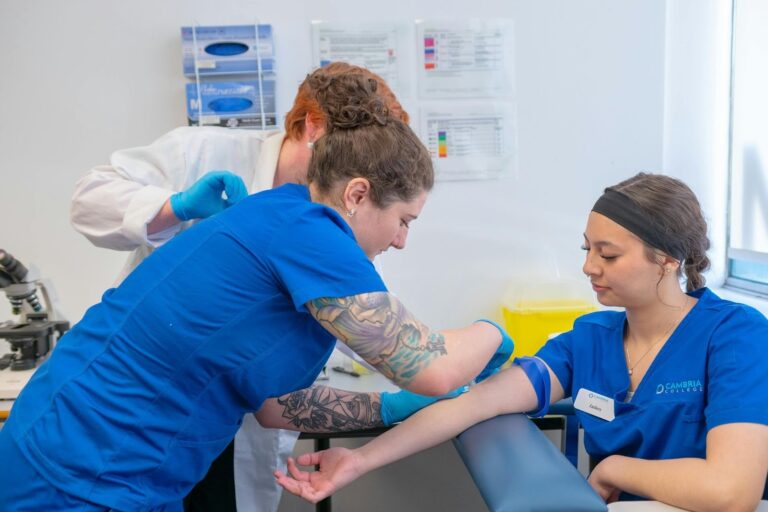
- Blood sample collection
- Urine sample collection
- Imaging tests such as X-ray or ECG (if included)
Some diagnostics center provide reports the same day, and some can take 24-48 hours.
How Often Should You Get a Full Body Checkup?
The frequency of a full body checkup can be different based on age and even medical history. However, the general recommendation includes:
Every 2-3 years: 20-30 years
Every 1-2 years: 30-40 years
Once every year: 40+ years
On a doctor’s recommendation: People with chronic conditions like diabetes, high cholesterol, hypo or hyperthyroidism, etc.
Regular full body checkups are important for people with a family history of diabetes, heart disease, and hypertension.
Conclusion
A full body checkup is an essential step to ensure long-term health and wellness while detecting diseases early. However, the accuracy of the test results can depend on how you prepare for it. Following the simple steps given in this blog can help you get reliable results.
If you are planning your next health checkup, choosing the right diagnostic partner also matters. LifeCell Diagnostics provides affordable full body checkup packages that are designed to help make preventive healthcare easier, accessible, and convenient. With their comprehensive test packages, NABL-accredited labs, skilled phlebotomists, and home sample collection service, you can stay ahead of your health and make informed decisions for long-term health.