A Homeowner’s Guide to Modern Kitchen, Bathroom, and Whole-Home Renovations
Home renovations have become one of the most popular ways for homeowners to improve comfort, functionality, and property value. Instead of moving to a new house, many people are choosing to upgrade the spaces they already live in. Whether it’s refreshing a kitchen, modernizing a bathroom, or redesigning the entire home, thoughtful renovations can make a house feel brand new.
The key to a successful renovation isn’t just about choosing stylish finishes or trendy designs. It’s about creating spaces that work better for everyday life. Kitchens should make cooking and gathering easier, bathrooms should provide comfort and efficiency, and the overall layout of a home should support the routines of the people living in it.
For homeowners considering renovations, understanding how each area of the home can be improved is an important first step.
Transforming the Kitchen Into the Heart of the Home
The kitchen has always been one of the most important rooms in a house. It’s not only where meals are prepared, but also where families gather, conversations happen, and guests often spend time during social events.
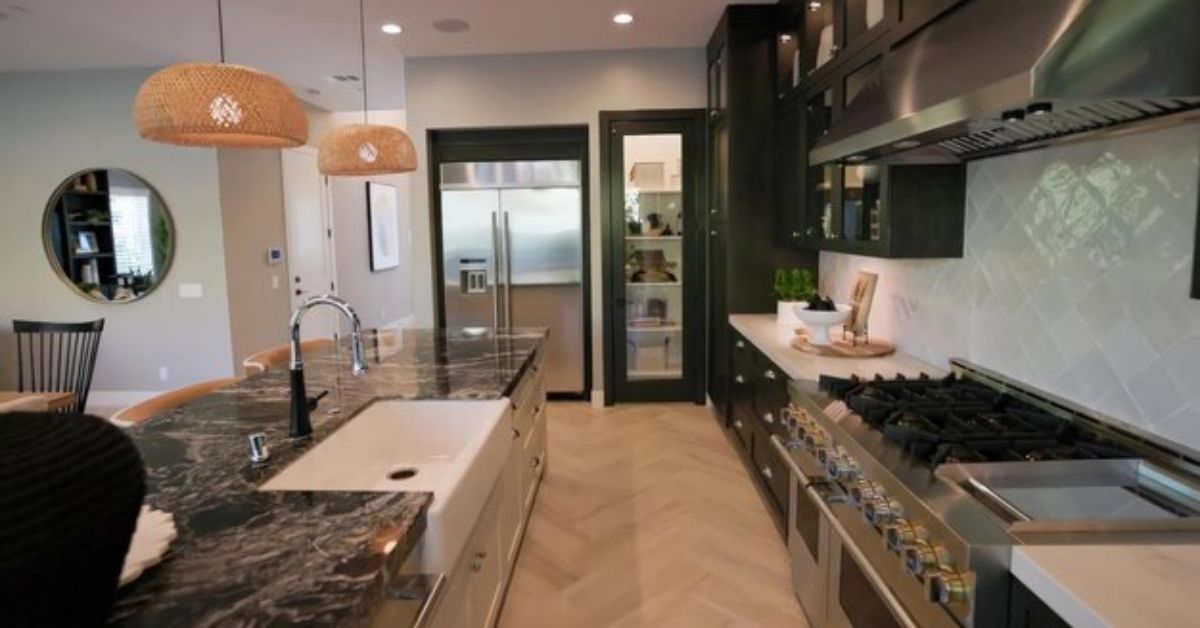
Modern kitchen renovations focus on combining functionality with design. One of the most popular changes homeowners make is improving the layout. For example, older kitchens sometimes have limited counter space or inefficient work zones. Renovating the layout can improve the flow between the cooking, cleaning, and food-preparation areas.
Designers often refer to this concept as the kitchen work triangle, which connects the stove, sink, and refrigerator to make cooking more efficient.
Another common improvement involves adding more storage. Deep drawers, pull-out pantry shelves, and built-in organizers help homeowners keep kitchens tidy and easy to use.
Lighting is also an important upgrade. Under-cabinet lighting and pendant lights above kitchen islands not only improve visibility but also add a modern design element.
For example, imagine a family that loves cooking together in the evening. With a well-designed kitchen island, one person can chop vegetables while another prepares ingredients on the opposite side. The space becomes both practical and social at the same time.
Updating Bathrooms for Comfort and Efficiency
Bathrooms may be smaller than other rooms, but they play a big role in everyday comfort. Modern bathroom renovations focus on improving both convenience and relaxation.
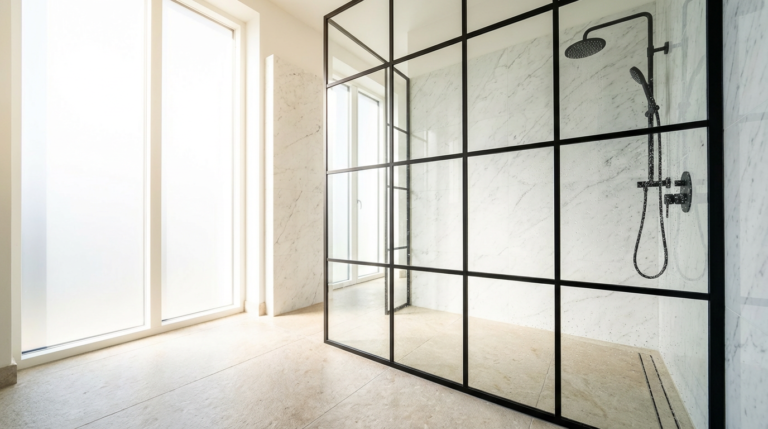
One common change is replacing older bathtubs with walk-in showers. This update can create a more open and contemporary feel while making the space easier to use. Frameless glass shower screens are particularly popular because they make bathrooms appear larger.
Upgraded fixtures can also make a big difference. Water-efficient faucets and showerheads reduce water usage while maintaining good pressure. Improved ventilation systems help control moisture and prevent mold growth.
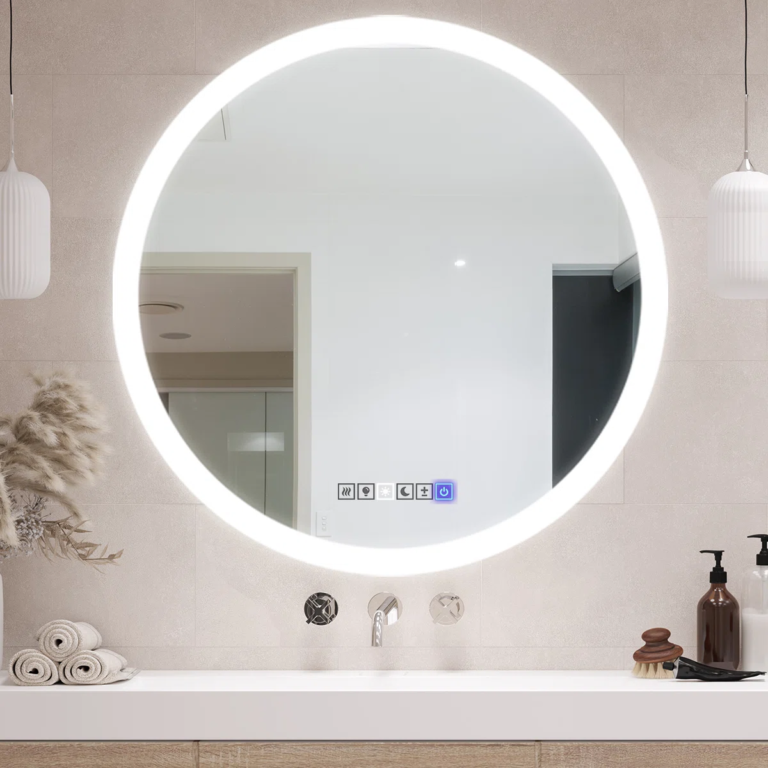
Storage is another important factor in bathroom renovations. Floating vanities, recessed shelving, and mirrored cabinets help keep personal items organized without cluttering the space.
Consider a typical morning routine in a busy household. If two people need to get ready at the same time, a well-designed bathroom with dual sinks and adequate storage can make the process smoother and less stressful.
These types of upgrades not only improve daily routines but also add long-term value to the home.
Whole-Home Renovations for Better Living
While kitchens and bathrooms are common renovation projects, many homeowners also choose to renovate multiple rooms at once or redesign their home’s entire layout.
Whole-home renovations often focus on improving how spaces connect. Older homes sometimes have closed-off rooms or narrow hallways that make the house feel smaller than it actually is.
Modern design trends often favor open layouts that allow natural light to flow between spaces. Removing non-structural walls can create larger living areas that feel more inviting and flexible.
For example, a living room and dining room might be combined into one open space, making it easier for families to host gatherings or spend time together.
Technology also plays an increasingly important role in modern renovations. Smart home systems allow homeowners to control lighting, heating, and security systems through mobile devices.
Energy efficiency is another important consideration. New insulation, upgraded windows, and energy-efficient appliances can reduce utility costs while improving indoor comfort.
These types of improvements show how renovations go beyond aesthetics—they help homes function better for modern lifestyles.
Planning Your Renovation Project
One of the most important steps in any renovation project is careful planning. Before starting construction, homeowners should consider their goals, budget, and timeline.
For example, someone renovating a kitchen might prioritize additional storage and cooking space, while another homeowner might focus on creating a more open layout for entertaining guests.
Setting clear priorities helps ensure the renovation delivers meaningful improvements rather than unnecessary changes.
Budget planning is equally important. Renovations often involve multiple costs, including materials, labor, and possible upgrades discovered during construction.
Working with experienced professionals can help homeowners understand what to expect and avoid surprises during the renovation process.
Those researching renovation ideas or exploring professional services often review project examples and design options available on a renovation website to better understand how different spaces can be transformed.
Looking at completed projects can inspire new ideas and help homeowners visualize how their own homes might look after renovation.
Balancing Style With Practicality
A successful renovation balances visual appeal with everyday practicality. While stylish finishes are important, the space must also be comfortable and functional for daily use.
For example, choosing durable materials for kitchen countertops or bathroom flooring ensures that the renovation lasts for years. Easy-to-clean surfaces can save time and effort in busy households.
Lighting design is another factor that combines style and practicality. Soft ambient lighting creates a relaxing atmosphere, while focused task lighting improves visibility in work areas.
This approach is common in many design industries. Just as modern smartphones combine sleek design with practical features, modern homes aim to balance beauty with usability.
When homeowners prioritize both aspects, renovations tend to provide lasting satisfaction.
Final Thoughts
Modern kitchen, bathroom, and whole-home renovations offer homeowners an opportunity to improve how their homes look and function. Whether updating a single room or redesigning an entire layout, renovations can make everyday life more comfortable and enjoyable.
Kitchens can become more efficient and welcoming, bathrooms can offer greater comfort and organization, and whole-home renovations can transform outdated layouts into modern living spaces.
Most importantly, successful renovations focus on the needs of the people who live in the home. By combining thoughtful design, practical improvements, and careful planning, homeowners can create spaces that support their routines and reflect their personal style.
With the right approach, renovations can turn familiar houses into refreshed, modern homes that families enjoy for many years to come.