
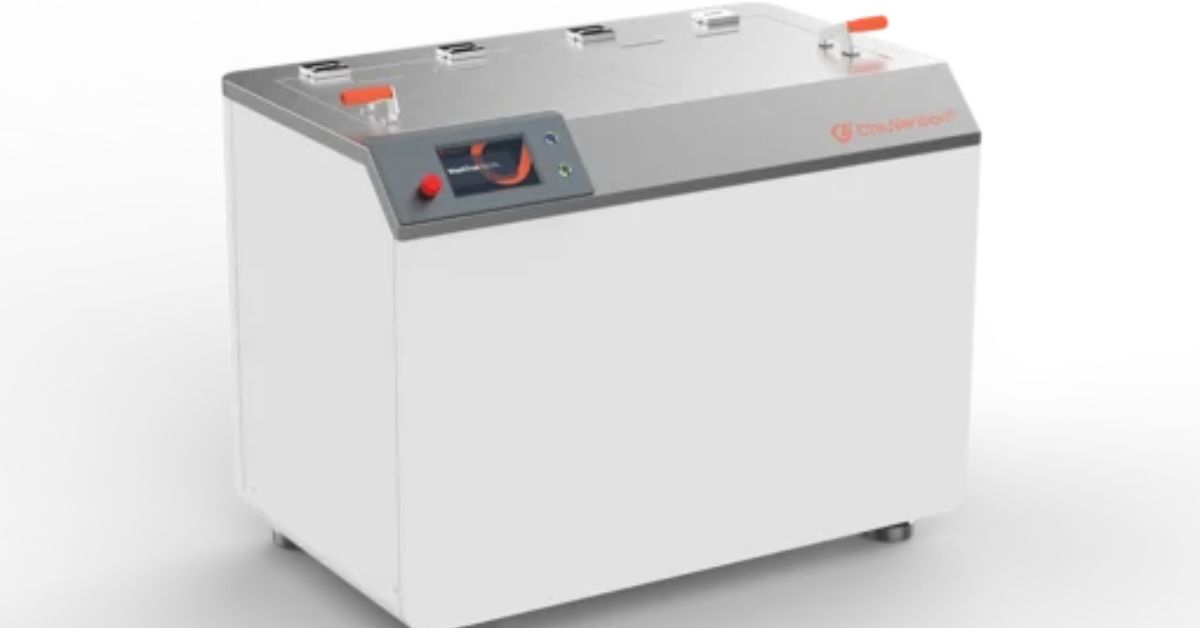
Ensuring Textile Excellence: A Comprehensive Guide to the Washing Fastness Tester
In the world of textiles, color is paramount. A vibrant, consistent hue is often the first thing a consumer notices and a key factor in their purchasing decision. But what happens after that first wash? The true test of a fabric’s quality lies in its ability to retain its color, a property known as color fastness to washing. For manufacturers, quality control labs, and textile engineers, the Washing Fastness Tester is the indispensable tool that provides the answer.
This guide delves into the importance of this testing, explores the advanced features of modern testers like the WashTrue model, and explains how it helps ensure your fabrics stand the test of time (and detergent).
Why is Washing Fastness Testing Crucial?
Color fastness to washing refers to a fabric’s ability to resist fading or bleeding when subjected to a wash cycle. Poor color fastness can lead to:
- Unhappy Customers: A garment that fades or stains other clothes after a single wash is a recipe for returns and a tarnished brand reputation.
- Safety Concerns: Dyes that bleed can cause skin irritation or allergic reactions for sensitive individuals.
- Quality Control Failures: Inconsistent dye lots can lead to entire production batches being rejected.
By using a standardized testing process, manufacturers can guarantee that their products will look great and perform reliably wash after wash, building trust with consumers and retailers alike.
The WashTrue Washing Fastness Tester: A New Standard in Precision
Modern testing equipment has evolved far beyond simple rotating drums. The WashTrue Colour Fastness Tester exemplifies this evolution, combining intelligent technology with user-friendly design to deliver unmatched accuracy and efficiency. Let’s explore its key features.
1. Intelligent Temperature Control
Temperature is a critical variable in any wash test. The WashTrue uses a sophisticated algorithm to precisely heat the testing water, maintaining the exact temperature required by international standards. This accuracy ensures that test results are reliable and repeatable.
2. Smart, User-Friendly Interface
Gone are the days of confusing knobs and manual logs. The WashTrue features a multifunctional smart screen that simplifies the entire testing process. From this intuitive dashboard, you can:
- Select pre-programmed test standards (like AATCC 61 or ISO 105 C06).
- Set custom parameters like temperature, heating rate, and test duration.
- Add or drain water with a touch of a button.
- Monitor the test progress in real-time with clear visual indicators and a countdown timer.
3. Automated Data Management & IoT Connectivity
One of the most significant advancements is the move towards automation. The WashTrue automatically logs sample data, test steps, and final ratings. It can compile everything into a comprehensive test report, eliminating manual data entry and the risk of human error.
Furthermore, its IoT capabilities, powered by the SmarTexLab app, allow for remote monitoring and control. You can start, stop, or adjust tests directly from your smartphone or PC. For larger labs, an open API allows for seamless integration with your ERP or LIMS, enabling real-time report sharing across the organization.
4. Versatility with Dual Cylinder Options
Efficiency is key in a busy lab. The WashTrue model offers a dual-cylinder version, allowing you to run two separate tests simultaneously. This means you can, for example, conduct a standard wash test in one cylinder while performing a test with different temperatures or chemical agents in the other, effectively doubling your testing capacity.
5. Built for Durability and Safety
A laboratory instrument is a long-term investment. The WashTrue is built with a robust design, including:
- Durable Materials: An SUS 316 water tank for corrosion resistance.
- Anti-Jamming Technology: The rotating frame is designed for smooth, reliable operation.
- Safety Protocols: Built-in safeguards protect against motor overheating and dry burning, ensuring user safety and instrument longevity.
Understanding the Testing Process
The color fastness to washing test follows a rigorous, standardized procedure to simulate real-life laundry conditions. Here’s a step-by-step overview of the process:
1. Sample Preparation:
A test specimen (e.g., a 100mm x 40mm fabric swatch) is stitched to a standard multifiber fabric or sandwiched between two single-fiber fabrics. This adjacent fabric will act as a “receiver” to assess color staining.
2. Test Setup:
The prepared sample is placed in a test cup with a specific number of stainless steel balls (to create mechanical agitation) and a precise volume of wash liquor (detergent solution). The cup is then loaded onto the rotating rack of the WashTrue tester.
3. The Wash Cycle:
The tester is programmed with the desired standard, temperature, and time. The machine then heats the water to the set point and begins rotating the rack at a specified speed (e.g., 40 ± 2 r/min). The smart screen displays real-time temperature and a countdown timer, with an audible buzzer signaling the test’s end.
4. Rinsing, Drying, and Evaluation:
After the wash cycle, the sample is removed, rinsed, and dried. The results are then evaluated under controlled lighting using standardized gray scale cards.
- Color Change Gray Scale: Rates the fading of the original specimen from Grade 5 (no change) to Grade 1 (severe change).
- Staining Gray Scale: Rates the amount of color transferred to the adjacent multifiber fabric, also on a 1-5 scale.
For even more objective data, a spectrophotometer can be used for a digital analysis of color change and staining.
Key International Standards
The WashTrue is designed to comply with a wide range of international standards, ensuring global acceptance of your test results. Some of the key standards it supports include:
- ISO 105-C06: The most widely used international standard, with various test conditions (e.g., A1S, B2S, C2S) for different wash intensities.
- AATCC 61: The standard for the North American market, simulating multiple home or commercial laundry cycles.
- GB/T 12490 & 3921: Chinese national standards for color fastness.
- M&S C4A, NEXT TM 02: Specific retailer and brand standards.
- JIS L0844: The Japanese industrial standard.
Interpreting Your Results
The results from a washing fastness test are your roadmap to quality. A high grade (4-5) indicates excellent dye penetration and fixation, meaning your fabric is likely to maintain its vibrant color and not stain other items. A low grade (1-3) is a red flag, pointing to potential issues in the dyeing process or with the dye itself, requiring further investigation and process improvement.
Conclusion: Why Choose the WashTrue?
In an industry where color quality can define a brand, having the right testing equipment is non-negotiable. The Washing Fastness Tester is more than just a machine; it’s a comprehensive quality management system.
With its intelligent temperature control, automated data logging, IoT connectivity, and robust construction, the WashTrue offers:
- Uncompromised Accuracy: Consistent, repeatable results that meet international standards.
- Unmatched Efficiency: Streamlined workflows, remote monitoring, and dual-cylinder options to maximize lab productivity.
- Long-Term Value: A durable, low-maintenance design backed by a service team that provides instant support and OTA upgrades.
By investing in a high-quality washing fastness tester like the WashTrue, textile manufacturers and testing labs can ensure that every fabric that leaves their facility is ready to meet the demands of the consumer, wash after wash.