Understanding Property Development Loan Options for Smarter Investment Decisions
Property development can be an exciting and rewarding way to grow wealth, but it also comes with its fair share of complexity. Whether you’re building a single residential property, developing a multi-unit project, or expanding a commercial site, financing plays a central role in determining your success.
For many investors, choosing the right loan is just as important as choosing the right property. The structure of your financing can influence your cash flow, timelines, and overall return on investment. That’s why understanding property development loan options is essential before starting any project.
By taking the time to explore how these loans work, you can make smarter, more confident decisions that align with your financial goals.
What Are Property Development Loans?
Property development loans are specifically designed to fund construction or development projects. Unlike standard home loans, these loans are tailored to support projects that involve building, renovating, or subdividing property.
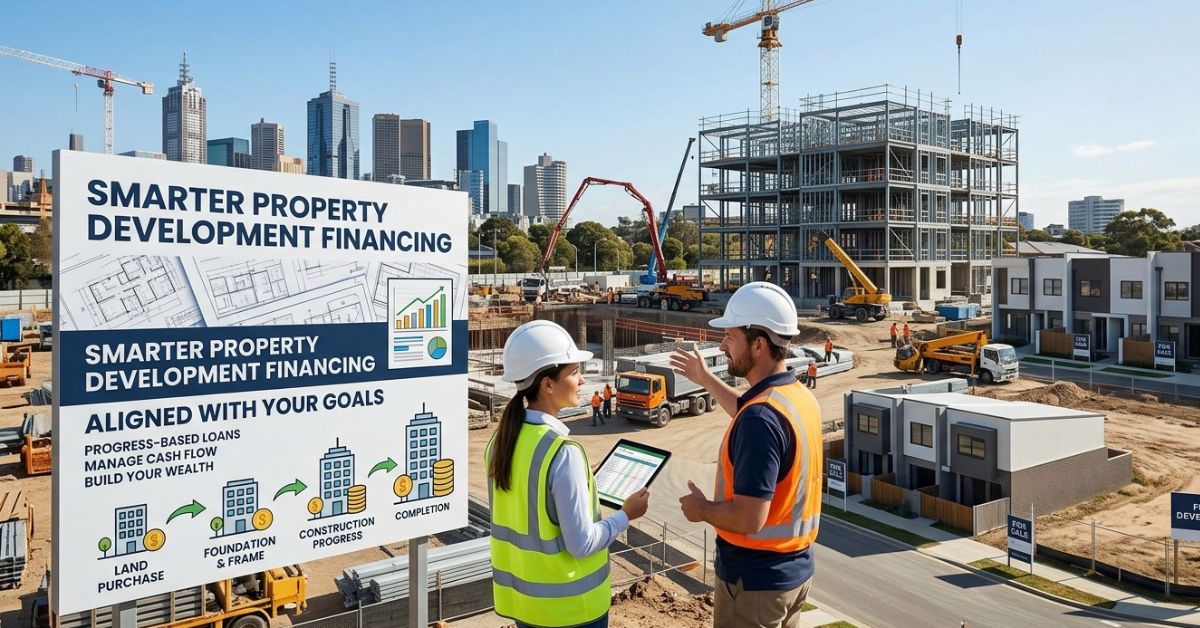
Instead of receiving the full loan amount upfront, funds are often released in stages. This is known as “progress payments.” For example, a developer building a residential property might receive funding in phases—such as land purchase, foundation work, framing, and final construction.
This staged approach helps ensure that funds are used appropriately throughout the project and reduces risk for both the lender and the borrower.
To better understand how these financial structures work, it’s helpful to look at the broader concept of real estate development, which involves purchasing land, financing projects, and managing construction to create new properties.
Property development loans are a key part of this process, providing the capital needed to bring projects to life.
Matching Loan Options to Your Project Type
Not all property development projects are the same, and the type of loan you choose should reflect the nature of your project.
For example, a first-time investor building a single residential property may need a relatively simple loan with straightforward repayment terms. This type of borrower often prioritizes predictability and manageable monthly costs.
On the other hand, a developer working on a multi-unit apartment complex or commercial building may require a more flexible financing structure. Larger projects often involve higher costs, longer timelines, and more complex planning.
Consider a small developer who wants to build three townhouses on a subdivided block of land. They may need a loan that covers both the land purchase and construction. In this case, staged funding enables them to manage cash flow as they progress through each stage of the build.
Similarly, a business owner developing a warehouse or retail space might choose a loan that aligns with projected business income once the project is complete.
Different industries approach financing in similar ways. For example, manufacturing companies often secure funding for equipment upgrades in stages, ensuring that investment aligns with production timelines. Property development loans follow a similar logic by matching funding to project progress.
Choosing the right loan structure ensures that your financing supports your project rather than limiting it.
Understanding Costs Beyond the Loan
While securing financing is an important step, it’s equally important to understand the full range of costs involved in property development.
Loan repayments are just one part of the equation. Developers also need to consider expenses such as construction costs, permits, design fees, and potential delays.
For example, a project that takes longer than expected may increase interest costs, especially if the loan is structured with ongoing interest payments during construction.
There are also costs related to site preparation, materials, and labor. These can vary depending on market conditions and the project’s scale.
A practical example is a developer who budgets carefully for construction but overlooks rising material costs. Without proper planning, this could impact profitability.
That’s why many experienced investors build contingency funds into their budgets. This provides a financial buffer in case unexpected expenses arise.
Understanding the full financial picture helps ensure that your project remains viable from start to finish.
The Importance of Cash Flow and Timing
Cash flow is one of the most critical factors in property development. Even a well-planned project can face challenges if cash flow is poorly managed.
Property development loans are often structured to support cash flow by releasing funds at key stages. However, developers still need to plan how they will manage expenses between these stages.
For example, a builder may need to pay contractors and suppliers before the next funding installment is released. Having access to working capital or reserves can help bridge these gaps.
Timing also plays a significant role. Delays in approvals, construction, or sales can affect repayment schedules and overall profitability.
For instance, if a developer plans to sell completed units quickly but encounters a slower market, they may need to hold the property longer than expected. This can increase holding costs such as interest and maintenance.
Careful planning and realistic timelines help reduce these risks and keep projects on track.
Exploring Options for Smarter Decisions
With so many variables involved, it’s important to explore different loan options before committing to a specific financing structure.
Each lender may offer different terms, repayment schedules, and eligibility requirements. Comparing these options allows you to find a solution that aligns with your project goals and financial situation.
For those researching available solutions and wanting a clearer understanding of how financing works for development projects, resources like property development loan options in Australia can provide useful insights into different approaches and structures.
Having access to detailed information helps investors evaluate their choices more effectively and make informed decisions.
Building Confidence in Your Investment Strategy
Property development is not just about building structures—it’s about building a long-term investment strategy.
Choosing the right loan is a key part of that strategy. The right financing solution can support growth, improve cash flow, and help you complete projects successfully.
On the other hand, choosing a loan that doesn’t align with your needs can create unnecessary stress and financial pressure.
That’s why it’s important to take a thoughtful approach. By understanding how property development loans work, evaluating your project requirements, and considering long-term costs, you can make decisions that support both your immediate goals and your future plans.
A Smarter Approach to Property Development Financing
Property development offers exciting opportunities, but it requires careful planning and informed decision-making.
Understanding loan options is a crucial step in this process. It allows you to structure your financing to support your project, manage risk, and maximize potential returns.
Whether you’re a first-time developer or an experienced investor, taking the time to explore your options can lead to better outcomes.
By aligning your financing with your project goals and financial capacity, you can move forward with confidence and create a strong foundation for successful property development.