
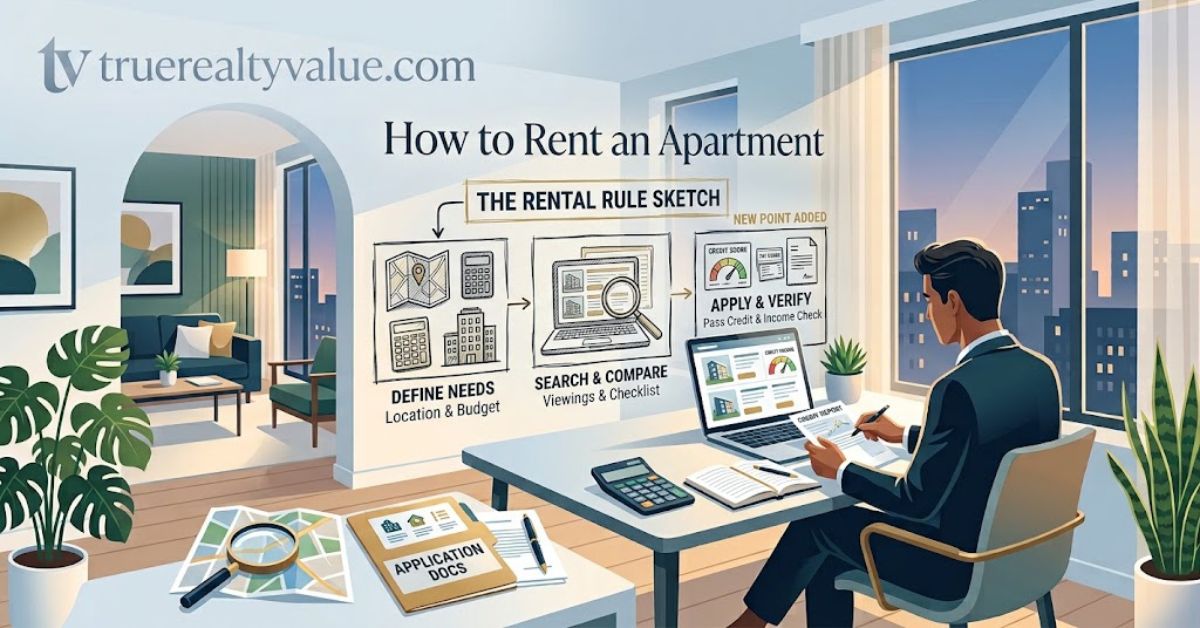
How to Rent an Apartment: A Step-by-Step Guide From Someone Who’s Done It (and Messed It Up)
The first apartment I rented, I signed the lease in about 15 minutes flat, excited to finally have my own place and only found out three weeks later that the “included utilities” line in the lease didn’t actually cover heating. That one oversight cost me almost $200 extra a month through winter. If you’re wondering how to rent an apartment without learning things the hard way like I did, this guide walks through exactly what I wish someone had told me before I signed anything.
The Problem: Renting Feels Simple Until It Isn’t
On the surface, renting an apartment looks straightforward find a place, like it, sign the lease, move in. But most first-time renters run into the same avoidable mistakes:
- Signing a lease without reading every clause
- Not budgeting for move-in costs beyond just the first month’s rent
- Skipping a proper walkthrough and getting blamed for pre-existing damage later
- Trusting a listing’s photos over an actual in-person visit
- Not understanding what “renter’s insurance” or “security deposit terms” actually mean
None of these mistakes are dramatic on their own — but together, they’re exactly what turns a simple move into a stressful, expensive mess.
My Experience: What Renting Actually Taught Me
Since that first lease mishap, I’ve rented four different apartments across two cities, and each move taught me something the last one didn’t. My second apartment had a landlord who was slow to respond to maintenance requests — I learned to actually check reviews of the landlord, not just the building. My third place taught me to always request a move-in inspection checklist in writing, because when I moved out, my old landlord tried to claim a scuff mark on the wall that was there before I even unpacked.
By the fourth apartment, I had a system — and that system is what I’m sharing here, not as generic advice, but as steps I now follow every single time I rent.
How to Rent an Apartment: Step-by-Step (Solution + Tips)
1. Set a Realistic Budget First
Before browsing listings, figure out your actual number. A common rule is to keep rent at or under 30% of your gross monthly income, but don’t stop there — factor in:
- Utilities (electricity, gas, water, internet)
- Renter’s insurance (often $10-$20/month)
- Parking fees, if applicable
- Move-in costs: security deposit, first/last month’s rent, application fees
Tip: Add up the true monthly cost, not just the advertised rent — this single step prevents the biggest budgeting mistake renters make.
2. Search Smart, Not Just Wide
Use multiple platforms rather than relying on just one listing site, since inventory and pricing can vary. Once you’ve shortlisted a few places, dig deeper than the photos:
- Check the exact address on a map for commute time and nearby amenities
- Search the building or landlord’s name along with “reviews” or “complaints”
- Look for how long the listing has been posted — a unit that’s been listed for months might signal a pricing or management issue
Tip: A listing with unusually low rent compared to similar units nearby is worth extra scrutiny — it’s sometimes a red flag, not a bargain.
3. Always Do an In-Person (or Live Video) Walkthrough
Never rely solely on listing photos. During the walkthrough:
- Test the water pressure and check for water damage (stains on ceilings, warped flooring)
- Open and close all windows and doors to check for proper sealing
- Check cell signal and internet availability in the unit
- Ask about pest control history
Tip: Bring a checklist on your phone and photograph everything — this documentation protects you later if there’s any dispute about the unit’s original condition.
4. Read the Lease Line by Line
This is where most people go wrong — myself included, that first time. Before signing, confirm:
- Exactly what’s included in rent (utilities, parking, amenities)
- The policy on rent increases and lease renewal
- Rules around subletting, guests, and pets
- The process and timeline for getting your security deposit back
- Early termination clauses and fees
Tip: If anything in the lease is unclear, ask for it in writing before signing — verbal promises from a landlord mean nothing once the lease is signed.
5. Prepare Your Application Like a Professional
Landlords typically want to see:
- Proof of income (usually 2.5–3x the rent)
- A credit check
- References from previous landlords
- A valid ID
Tip: Having these documents ready before you apply can be the difference between landing a competitive unit and losing it to someone who applied faster.
Real Example: How Preparation Changed the Outcome
A friend of mine was apartment-hunting in a competitive rental market where good units were getting multiple applications within hours. On her first attempt, she lost out on an apartment because she didn’t have her pay stubs ready when the landlord asked.
For her next search, she prepared a full application packet in advance — pay stubs, ID, references, and a short cover note introducing herself. When she found a place she liked, she submitted her application within an hour of viewing it. She got approved the same day, while other applicants were still gathering their documents.
That one change — being prepared before she even started looking — was the difference between losing a good apartment and getting one.
FAQs
Q1. How much money should I have saved before renting an apartment?
A good rule of thumb is to have at least 3 times the monthly rent saved — covering the security deposit, first month’s rent, and a buffer for moving costs and unexpected expenses.
Q2. What’s the difference between a security deposit and last month’s rent?
A security deposit covers potential damage or unpaid rent and is typically refundable, while last month’s rent is a separate payment landlords sometimes require upfront, applied directly to your final month.
Q3. Do I really need renter’s insurance?
While it’s not always legally required, many landlords now require it, and it’s genuinely worth having — it protects your belongings and can cover liability if something happens in your unit.
Q4. What should I do if the landlord won’t put promises in writing?
Treat that as a warning sign. If a landlord is unwilling to document agreed-upon terms (like a repair or an included amenity) in the lease or a written addendum, don’t rely on it happening.
Q5. How long does the apartment rental process usually take?
From starting your search to move-in, it typically takes 2-6 weeks, though in competitive markets with limited inventory, it can move much faster if you’re prepared to apply immediately.
Conclusion + Call to Action
Renting an apartment isn’t complicated, but it is full of small details that are easy to overlook — and expensive to fix after the fact. Set a realistic budget, research beyond the listing photos, do a proper walkthrough, read every line of the lease, and have your application ready before you need it.