Understanding HUD 92051 Reporting for Property Owners
Navigating the landscape of real estate transactions often feels like moving through a maze of paperwork. For lenders, builders, and homebuyers, the Federal Housing Administration (FHA) loan process adds a specific layer of complexity that requires precision and expertise. One of the most critical documents in this process is the compliance inspection report. Without it, loans stall, closings get delayed, and the excitement of a new property can quickly turn into administrative frustration.
The key to a smooth transaction lies in understanding the requirements and partnering with inspectors who know exactly what to look for. Whether you are finalizing a new construction project or refinancing an existing property, ensuring that a home meets FHA standards is non-negotiable. This is where professional inspection services bridge the gap between a construction site and a signed mortgage.
In the Dallas, Texas area, navigating these requirements requires a partner who understands both local building codes and federal mandates. Art Neidich Property Inspection & Consulting stands out as a leader in this space, providing the specialized documentation needed to move loans forward. By focusing on accuracy and speed, they help stakeholders avoid the common pitfalls associated with government-backed loans.
Understanding the Role of Compliance Inspections
At its core, an FHA compliance inspection is different from a standard home inspection. While a standard inspection gives a buyer a general overview of the home’s condition, an FHA compliance inspection is a specific verification process requested by a lender. The goal is to ensure the property meets the Minimum Property Standards (MPS) and Minimum Property Requirements (MPR) set forth by the Department of Housing and Urban Development (HUD).
This process is vital for the protection of all parties involved. For the lender, it confirms that the asset backing the loan is sound and safe. For the buyer, it provides assurance that the property meets specific health and safety guidelines. The inspector’s job is to verify that the construction or repairs have been completed according to plan and code.
The Critical Document: Form 92051
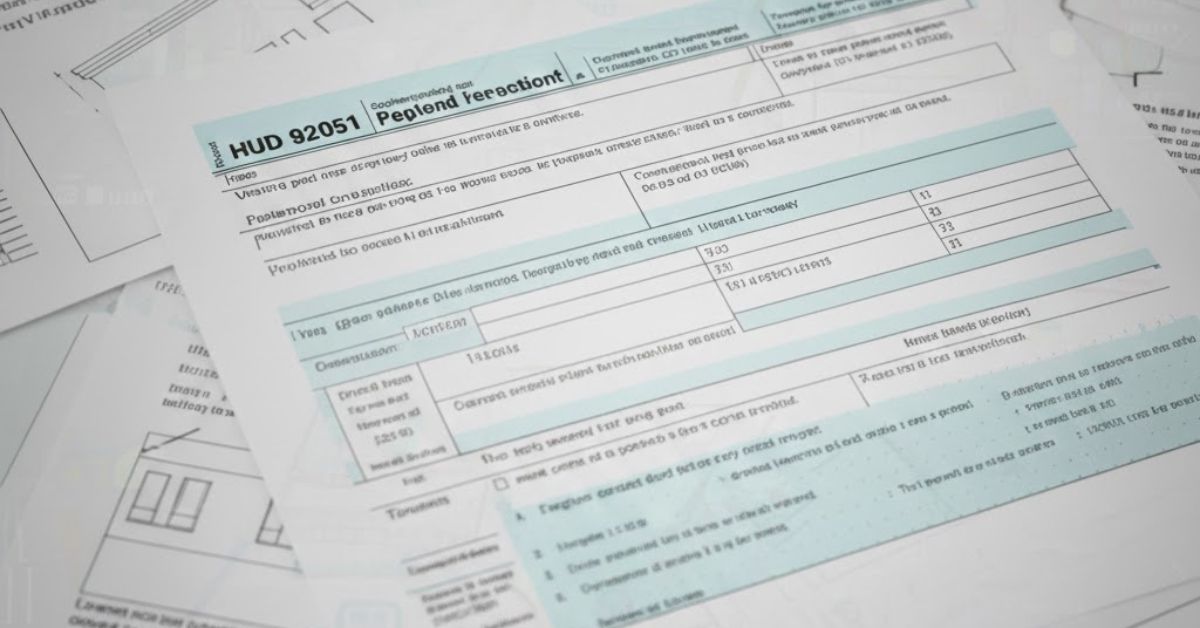
The tangible result of this inspection process is HUD 92051 Reporting. This form acts as the official record stating that a property complies with FHA regulations. It is not merely a checklist; it is a binding document used by underwriters to approve the release of funds.
When a builder completes a phase of construction or finishes a home entirely, the lender requires this specific reporting to verify progress. If the report is incomplete, inaccurate, or delayed, the entire funding process halts. This makes the choice of inspector incredibly important. You need
someone who is not only certified but also deeply familiar with the nuances of the 92051 form.
Why Specialized Expertise Matters
The construction and real estate industries are flooded with generalists. However, FHA inspections are a specialty field. They require a deep understanding of federal guidelines that go beyond standard municipal codes.
Art Neidich Property Inspection & Consulting brings over 45 years of hands-on experience in the construction and inspection fields. Registered as an FHA fee Inspector since 2008 and holding the credential of an ICC Certified Residential Combination Inspector, this firm offers a level of authority that lenders trust.
Navigating Local and Federal Codes simultaneously
One of the unique challenges in Texas is the intersection of local building codes and federal requirements. An inspector must be fluent in both. Art Neidich provides accurate HUD 92051 Reporting that satisfies federal underwriters while ensuring the property adheres to local safety standards. This dual focus streamlines the approval process, as builders and lenders don’t have to worry about conflicting information slowing down the deal.
Overcoming Geography: Service Beyond City Limits
A common hurdle for developers and buyers in Texas is finding qualified professionals willing to travel to rural or unincorporated areas. Many municipal inspectors are strictly limited to their city’s jurisdictional boundaries. This leaves a significant gap for properties located in the Extra-Territorial Jurisdiction (ETJ) or completely rural developments.
If a property is outside city limits, who verifies that it meets code?
Art Neidich Property Inspection & Consulting fills this gap. They offer full residential code inspections outside city boundaries. Whether a project is in the heart of Dallas or in a developing rural community, they provide the necessary third-party verification. This capability ensures that rural loans are processed with the same efficiency as urban ones, preventing geography from becoming a barrier to homeownership or development.
The Importance of Speed and Coordination
In the mortgage industry, time is money. A delay of even a few days can affect interest rate locks or closing dates. Recognizing this pressure, efficient HUD 92051 Reporting is essential.
One of the standout features of the service provided by Art Neidich is the commitment to turnaround times. Reports, complete with necessary photographic documentation, are often delivered within 24 to 48 hours. This responsiveness allows loan processors and underwriters to keep their files moving.
Seamless Communication
The inspection process involves multiple moving parts. Builders need to know when to schedule a phase inspection; lenders need the final paperwork; and buyers want to know when they can move in.
Having dedicated service coordinators makes a massive difference. At Art Neidich Property Inspection & Consulting, clients work with dedicated points of contact, Kamalin Neidich and Ashley James. They handle the logistics of scheduling and document delivery. This expert coordination means builders aren’t left guessing when an inspector will arrive, and lenders aren’t left wondering where their reports are.
Types of Inspections Available
While the HUD 92051 Reporting is the final deliverable for the lender, the path to getting there can involve several different types of inspections depending on the project.
Phase Inspections
For new construction, inspections often happen in stages. This might include a foundation inspection before concrete is poured or a framing inspection before drywall is installed. Catching compliance issues at these early stages is crucial. It is far cheaper and easier to fix a code violation during framing than it is after the house is painted and finished.
Final Compliance Inspections
This is the last step before closing. The inspector verifies that the house is complete, all systems are operational, and the property is ready for occupancy according to FHA standards.
Custom Code Packages
For developers working on large-scale projects, custom inspection packages can be created. This ensures consistency across a subdivision, making the final approval process for individual lots much faster.
Supporting the Builder and Lender Relationship
The relationship between a builder and a lender is symbiotic, but it can also be stressful if documentation is lacking. Builders need their draws (funds) released to continue construction, and lenders need proof of work to release those funds.
By acting as a neutral, certified third party, the inspector facilitates this financial flow. When Art Neidich Property Inspection & Consulting submits a report, it carries weight. Underwriting teams and municipalities accept these credentials, reducing the likelihood of disputes or requests for additional verification. This smooths the friction often present in construction financing.
Ensuring Your Project is Ready
For anyone involved in an FHA transaction in Dallas, Fort Worth, Arlington, Plano, or the surrounding Texas communities, understanding the inspection requirement is the first step toward a successful closing.
Failing to plan for HUD 92051 Reporting can result in last-minute scrambles to find a certified inspector. By establishing a relationship with a seasoned firm like Art Neidich Property Inspection & Consulting early in the project, you ensure that every phase of construction is documented correctly.
Whether you are a mortgage lender needing detailed documentation for closing, or a builder looking for reliable code compliance in an unincorporated area, the value of a certified, experienced inspector cannot be overstated. It is the best insurance policy against delays and the surest way to get to the closing table on time.
READ MORE: TRUE REALTY VALUE