The Importance of Drain Maintenance for Healthy Pipes
Your drains work silently every single day until they don’t.
Then you’re dealing with standing water in sinks, sewage backing up into showers, or emergency plumber bills at midnight. Most drain emergencies don’t happen suddenly. They develop slowly through months of neglect.
Regular drain maintenance prevents these problems entirely. Simple habits and occasional professional attention keep pipes flowing freely for decades. Whether you handle maintenance yourself or hire plumbing services Arvada CO, consistent care protects your plumbing system and your wallet.
Here’s why drain maintenance matters and how to do it right.
How Drain Problems Actually Develop
Drains don’t clog instantly. Problems build gradually as substances accumulate inside pipes.
Hair catches on rough spots inside drain pipes. Each strand sticks to previous ones. Over months, these strands weave into dense mats that trap everything flowing past. Soap scum binds hair together, making the blockage worse.
Grease and oil cool as they travel through pipes. They solidify on pipe walls, creating narrower openings. Each time you pour grease down drains, the coating gets thicker. Eventually, almost nothing flows through.
Soap and mineral deposits build up similarly. Hard water leaves calcium and lime deposits. Soap combines with these minerals, creating a concrete-like substance clinging to pipes.
Food particles that survive garbage disposals get caught on these rough surfaces. Coffee grounds, rice, and pasta expand when wet, contributing to clogs.
The process happens so slowly you don’t notice until pipes barely drain. By then, simple prevention would have been much easier than the repair you now need.
What Regular Maintenance Actually Prevents
Consistent drain maintenance prevents small problems from turning into costly emergencies. Ignoring clogs or backups can lead to expensive repairs, from damaged flooring and walls to ruined personal belongings. These are expenses that can quickly derail your household budget.
Emergency plumber calls, especially during evenings, weekends, or holidays, often cost two to three times more than routine service performed during normal hours.
Neglected drains can also shorten the life of pipes and fixtures. Harsh chemicals used to clear stubborn clogs corrode plumbing, eventually causing leaks or full pipe replacement. Over time, this not only increases repair costs but can affect your home’s value, as buyers’ inspectors carefully review plumbing systems, any signs of drain issues can reduce offers or even kill a sale.
For homeowners in Houston, staying on top of plumbing maintenance is part of protecting both your home and your finances. And for those looking to strengthen financial stability even further, Houston credit repair services can help ensure that unexpected plumbing costs or other emergencies don’t negatively impact your credit or borrowing power.
Simple Daily Habits That Protect Drains
Prevention starts with what goes down drains in the first place. Most clogs result from putting wrong things into plumbing systems.
Use drain screens in every sink, shower, and tub. These simple mesh covers catch hair, food particles, and debris before they enter pipes. Empty screens weekly into trash cans.
Never pour grease or oil down kitchen drains. Let it cool in containers, then throw it away. Even small amounts of grease accumulate over time.
Run hot water after each kitchen sink use. Hot water keeps grease liquid long enough to flow through pipes completely. Cold water lets grease solidify inside pipes.
Scrape plates into trash before rinsing. Don’t rely on garbage disposals to handle all food waste. Coffee grounds, rice, pasta, and fibrous vegetables belong in trash, not drains.
Brush hair before showering. Loose hair comes out during brushing instead of washing down drains. This simple habit dramatically reduces bathroom drain clogs.
Wipe greasy pans with paper towels before washing. The less grease entering drains, the fewer problems you’ll face.
Monthly Maintenance Keeps Things Flowing
Beyond daily habits, monthly maintenance prevents buildup from becoming blockages.
Flush drains with boiling water monthly. Boil a full kettle and pour it slowly down each drain. This melts grease and soap buildup before it hardens permanently. Never use boiling water on PVC pipes under sinks, only on metal drains.
Use baking soda and vinegar treatments monthly. Pour half a cup of baking soda down the drain, followed by half a cup of white vinegar. Cover the drain and wait 30 minutes. Then flush with hot water. This combination breaks down organic matter and deodorizes drains naturally.
Clean drain stoppers and pop-up assemblies. Remove these fixtures monthly and clear away accumulated hair and gunk. Rinse thoroughly before reinstalling.
Check for slow drainage. Pay attention to how quickly water empties from sinks and tubs. Slower drainage than normal indicates developing problems needing attention.
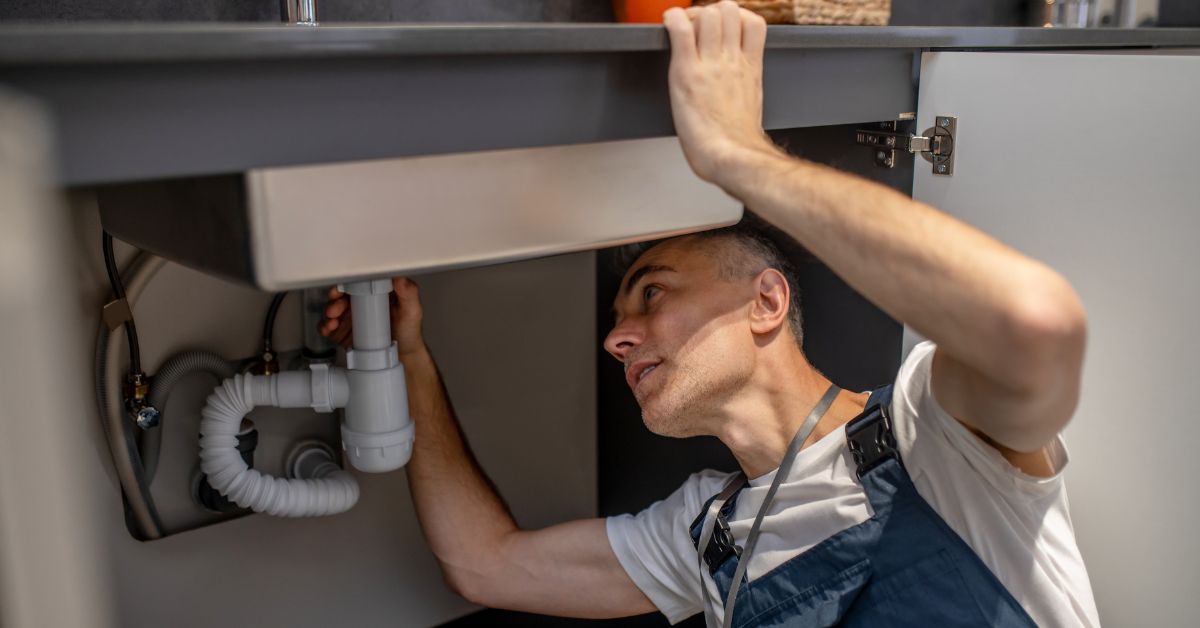
Inspect visible pipes under sinks. Look for moisture, corrosion, or mineral deposits. Catching small leaks early prevents major damage.
Professional Maintenance Provides Deeper Protection
Even with excellent home care, professional service adds value. Plumbers have tools and expertise homeowners lack.
Annual professional drain cleaning removes buildup you can’t reach. Hydro-jetting uses high-pressure water to completely clean pipe interiors. This removes years of accumulated grease, soap, and mineral deposits.
Video camera inspections show exactly what’s inside your pipes. Plumbers can identify developing problems before they cause emergencies. Cracked pipes, root intrusion, and significant buildup all show up on camera.
Main sewer line cleaning prevents catastrophic backups. These large pipes serve your entire house. When main lines clog, every drain in your home backs up simultaneously. Professional cleaning prevents this nightmare scenario.
Preventive treatments like enzyme-based drain maintainers work better when professionally applied. These biological treatments digest organic matter in pipes continuously.
Professional service costs $150 to $300 annually. Emergency repairs cost $500 to $2,000 or more. The math clearly favors prevention.
Warning Signs You Need Immediate Attention
Some symptoms indicate problems requiring prompt professional help rather than DIY maintenance.
Multiple slow drains throughout your home signal main line issues. When kitchen, bathroom, and laundry drains all slow down together, the problem is beyond individual fixtures.
Gurgling sounds from drains mean venting problems or developing clogs. Air trapped in pipes makes these noises trying to escape. This indicates blockages forming somewhere in your system.
Foul sewage smells coming from drains indicate serious problems. Sewer gases entering your home through drains means venting systems aren’t working properly or clogs are preventing proper flow.
Water backing up into other fixtures when you use one is an emergency sign. Flushing the toilet shouldn’t make water appear in your shower. This indicates severe main line blockage.
Persistent fruit flies around drains suggest organic matter accumulation. These flies breed in the gunk coating pipe interiors. No amount of surface cleaning eliminates them until pipes are properly cleaned.
Frequent clogs in the same drain mean underlying problems exist. Repeatedly clearing the same drain every few weeks indicates structural issues, improper venting, or persistent buildup requiring professional diagnosis.
What Damages Pipes More Than Clogs
Ironically, many homeowners damage their pipes trying to prevent or clear clogs. Understanding what harms plumbing helps you avoid these mistakes.
Chemical drain cleaners corrode pipes over time. The harsh chemicals that dissolve clogs also eat away at pipe materials. Repeated use weakens pipes until they leak or burst. These chemicals are especially damaging to older metal pipes and shouldn’t be used on them at all.
Excessive force with drain snakes scratches pipe interiors. These scratches create rough surfaces where future buildup catches easily. The damage makes clogs more likely going forward.
Using improper tools damages fixtures and pipes. Wire coat hangers scratch, pressure washers crack pipes, and makeshift tools often get stuck, creating bigger problems than original clogs.
Hot water in PVC pipes can warp or soften them. PVC has temperature limits. Boiling water damages these pipes. Use hot tap water only, not boiling water, on PVC drain lines.
Ignoring small leaks leads to major damage. That slow drip under the sink corrodes surrounding pipes, damages cabinets, and encourages mold growth. Small problems become expensive repairs when ignored.
Special Considerations for Different Drains
Different drains face different challenges. Maintenance strategies should account for these differences.
Kitchen drains handle grease, food particles, and soap. They need more frequent hot water flushing and grease-prevention focus. Monthly baking soda treatments work particularly well here.
Bathroom sink drains collect hair, toothpaste, and soap. Hair removal is the priority. Screens are essential, and monthly cleaning of pop-up stoppers prevents most problems.
Shower and tub drains face primarily hair accumulation. Screens here are critical. These drains benefit from occasional removal of drain covers for deep cleaning of visible trap areas.
Toilet drains need different care entirely. Never use chemical drain cleaners in toilets. These drains handle only human waste and toilet paper. Everything else risks clogs or sewer line damage.
Floor drains in basements and garages dry out if unused. Pour water down them quarterly to maintain the trap seal. This prevents sewer gases from entering your home.
Creating Your Maintenance Schedule
Consistency makes drain maintenance effective. Create a schedule and stick to it.
Weekly tasks include emptying drain screens and checking for slow drainage. These take minutes and prevent most problems.
Monthly tasks include hot water flushing, baking soda treatments, and cleaning drain stoppers. Set a recurring calendar reminder so you don’t forget.
Quarterly tasks include checking all visible pipes for leaks and pouring water down unused floor drains.
Annual tasks include professional drain cleaning and video inspection of main sewer lines. Schedule these during spring or fall when plumbers are less busy and prices may be better.
Document your maintenance. Keep records of professional services, problems you’ve noticed, and repairs completed. This information proves valuable when issues arise and helps you track system performance over time.
The True Cost of Neglect
Skipping drain maintenance seems like saving money. It’s actually guaranteeing future expenses.
Average emergency drain clearing costs $300 to $800 depending on severity and timing. Multiple emergencies per year cost thousands.
Pipe replacement from chemical damage or neglected leaks costs $1,500 to $4,000 per section. Main sewer line replacement costs $3,000 to $25,000 depending on length and access difficulty.
Water damage repairs from backups cost $2,000 to $10,000 on average. Severe cases requiring structural repairs cost much more.
Lost time dealing with emergencies has value too. Taking time off work, disrupting family routines, and the stress of plumbing disasters all carry real costs.
Compare these expenses to maintenance costs. Annual professional service costs $150 to $300. DIY supplies cost $20 to $40 yearly. The difference is enormous.
Protecting Your Investment
Your plumbing system represents a substantial portion of your home’s value. Maintaining it properly protects this investment.
Good maintenance extends pipe lifespan significantly. Pipes properly cared for last 50 to 100 years. Neglected pipes fail in 20 to 30 years.
Home inspections reveal maintenance quality. Buyers and their inspectors check plumbing carefully. Well-maintained systems support asking prices. Problem systems trigger negotiations or lost sales.
Insurance companies consider maintenance history. Some policies exclude damage from neglected maintenance. Documented regular service protects your coverage.
Drain maintenance isn’t glamorous or exciting. But it’s essential for healthy pipes, functioning homes, and financial protection. The small time and money invested in prevention pays returns for decades.
Start with simple daily habits. Add monthly treatments. Schedule annual professional service. Your drains will reward this attention with decades of trouble-free operation.