
How Selling Unused Tech Can Help Homeowners Fund Property Investments
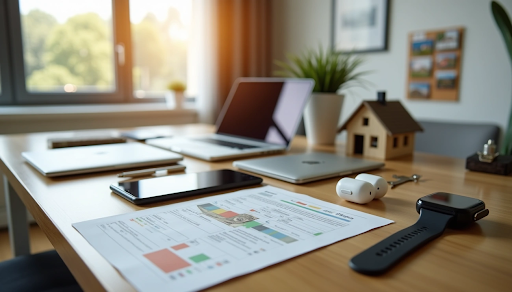
Decluttering before selling a home could be more profitable than you think. An astonishing 88% of Americans keep unused electronics at home, adding up to more than a billion devices worth approximately $67 billion in forgotten value. That’s right – the average U.S. adult is sitting on about $2,500 worth of unused tech, while the typical household has an estimated $264 of unused devices gathering dust.
Instead of letting these valuable assets depreciate further, you can transform them into funding for property investments. In fact, during just the first quarter of 2025, consumers earned $1.2 billion through trade-in programs. While most people won’t own anything as valuable as the first-generation iPhone that recently sold for over $190,000 at auction, even ordinary devices can provide significant returns. The cash you earn from trading in old tech isn’t just spare change – it’s capital that can be redirected toward future property goals.
This article explores how selling unused electronics can provide homeowners with additional funds for real estate ventures. From identifying valuable devices to investing the proceeds wisely, we’ll show you how turning unused tech into cash can become an effective strategy within your broader homeowner financial planning. Let’s discover how those forgotten gadgets can help fund your next property investment.
Identify the Hidden Value in Your Old Tech
That drawer full of forgotten gadgets represents more than just clutter—it’s potential property investment funding waiting to be unlocked. Understanding what makes your old technology valuable is the first step toward converting these assets into real estate opportunities.
Why old electronics still hold value
The appeal of used electronics extends beyond practical utility. Recent market trends show the U.S. refurbished mobile phone market reached $8.60 billion in 2023 and is projected to triple by 2032. Additionally, the first quarter of 2025 alone saw consumers earning $1.20 billion through trade-in programs.
This sustained value stems from several factors. First, many devices maintain functionality long after newer models arrive. Second, certain brands—particularly Apple—retain up to 75% of their original value even after a year or two. Furthermore, nostalgia drives collectors to seek vintage electronics, transforming once-everyday devices into treasured artifacts.
Common devices that can be sold
Several categories of devices consistently provide good returns when sold:
- Smartphones: iPhones typically maintain higher resale values, with trade-in sites listing values up to $881 for an iPhone 16 Pro Max and $511 for the iPhone 14 Pro Max.
- Gaming consoles: Systems from Nintendo, Atari, and Sony have “gone up exponentially in value” according to industry experts. Vintage systems like the Nintendo Entertainment System can sell for hundreds of dollars.
- Apple products: Beyond phones, devices like MacBooks, iPads, and Apple Watches generally hold their value better than competitors.
- Premium headphones: Brands like Beats, Sennheiser, and Bang & Olufsen often retain approximately 35% of their value.
How to assess condition and resale potential
Before listing your devices, evaluate their true market worth. Start by checking if the device powers on and functions properly—working condition is the primary value determinant. Cosmetic condition matters too; scratches, dents, or screen damage significantly impact pricing.
Original packaging and accessories substantially increase resale value. Including original boxes, manuals, cables, and chargers can boost your selling price considerably. For quick valuation, compare real-time quotes on platforms like Gazelle, Apple Trade In, and SellCell.
Remember that timing affects value—devices are typically worth most just before new models release. When decluttering before selling a home, this strategic approach to unused electronics can generate meaningful funding for your next property investment.
Where and How to Sell Your Devices
Image Source: SmartphonesPLUS
Once you’ve identified valuable devices in your home, choosing the right selling platform is crucial for maximizing returns for your property investment goals. Each marketplace offers different advantages depending on your priorities—whether speed, maximum profit, or safety.
Using trade-in platforms like Gazelle and SellCell
Trade-in platforms provide a straightforward path to quick cash with minimal effort. Gazelle operates on a simple model—get an offer online, ship your device for free, and receive payment once inspection confirms your description. The entire process typically takes about a week, with Amazon and PayPal payments processing fastest.
SellCell takes a different approach, functioning as a price comparison site that compares offers from over 40 buyers. Their “Best Price Guarantee” promises to pay double the difference if you find a better price elsewhere. This comparison service helps overcome the typically lower prices offered by in-store trade-ins.
Selling directly on eBay or Swappa
Selling peer-to-peer often yields higher returns but requires more effort. Swappa specializes exclusively in used technology and employs staff who verify listings before they go live. This creates a safer environment with response times for support requests averaging around 20 minutes. Moreover, Swappa charges just 3% fees per party, allowing sellers to keep more profit.
eBay offers unmatched reach but operates somewhat like “the Wild West”. While you can sell virtually anything regardless of age, protection policies vary. Serious sellers should document serial numbers, require signatures for deliveries over $750, and understand eBay’s policies thoroughly.
Tips for safe and secure transactions
Prior to selling any device, protecting your personal data is essential. Completely remove sensitive information including passwords, banking details, photos, and browsing history. Factory reset your device, disable “Find My” features, remove authentication methods, and deactivate your service.
For maximum transaction security, avoid negotiating outside the marketplace platform—a common tactic of scammers. When selling locally, meet in safe public locations. Document everything, especially with expensive electronics—photograph serial numbers and include them in listings as evidence.
This strategic approach to selling unused tech creates immediate liquidity that can be directed toward property investments, essentially converting depreciating assets into appreciating ones.
Turning Tech Profits Into Property Investments
The cash from selling unused electronics creates genuine opportunities for property investments. Converting these depreciating assets into wealth-building tools requires strategic planning and clear financial goals.
Using proceeds for down payments or renovations
Tech sale proceeds can meaningfully contribute toward property down payments, ultimately reducing long-term mortgage costs. With enough funds, you might even qualify for a shorter 15-year loan term. Consequently, this approach works especially well in high interest rate environments where larger down payments significantly decrease monthly obligations. Alternatively, these funds can finance value-adding renovations to your current property.
Short-term funding for investments
Beyond traditional property ownership, tech sale proceeds can launch you into newer real estate investment models. Short-term rental platforms allow investments starting at just $25,000, potentially yielding 8-12% annual cash flow. Similarly, real estate crowdfunding enables participation with smaller amounts—sometimes as little as $100—letting investors pool resources and share profits from rental income or property appreciation.
Smart budgeting for home sellers
When preparing to sell your property, earmarking tech sale proceeds toward specific selling expenses demonstrates sound financial management. Consider allocating these funds toward professional staging, minor repairs, or covering transitional housing costs between properties.
How this supports homeowner financial planning
Tech liquidation supports broader financial health goals. Subsequently, consider using proceeds to eliminate high-interest debt or strengthen emergency savings before committing everything to real estate. For example, you can convert idle devices into quick funds through trusted platforms that offer cash for used macbooks. Above all, assess your complete financial picture—including retirement readiness—to ensure tech profits support your long-term security alongside property investments.
Sustainable and Strategic Asset Management
Strategic handling of your electronic assets extends beyond immediate profit—it’s about responsible management that benefits both your finances and the environment.
Decluttering before selling a home
Removing obsolete electronics creates visual space that helps potential buyers see themselves in your property. Therefore, sorting through tangled cords and abandoned devices should be a priority in your pre-listing preparations. Experts recommend collecting all errant cords and out-of-date devices from around the house and thoroughly evaluating what’s worth keeping.
Recycling or donating unsellable tech
Not all electronics retain market value, yet they deserve better than landfills. As a result, companies like Best Buy have collected 2.7 billion pounds of electronics for recycling since 2009. Human-I-T has distributed over 434,000 devices and connected 110,000+ households to the internet. Consider wiping personal data from devices, as merely deleting files is inadequate.
Using depreciating assets wisely
Regular audits and maintenance extend IT asset life and maximize returns. Understanding and planning for depreciation helps businesses reduce expenses, increase investment returns, and contribute to sustainability.
Environmental benefits of responsible disposal
Responsible electronics management creates significant ecological impact:
- Recycling one million laptops saves energy equivalent to electricity used by 3,500 U.S. homes yearly
- For every million cell phones recycled, 35,000 pounds of copper, 772 pounds of silver, 75 pounds of gold, and 33 pounds of palladium can be recovered
- Although e-waste represents just 2% of landfill volume, it accounts for 70% of toxic heavy metals
Conclusion
Unused tech is more than clutter—it’s a hidden financial asset. By selling, recycling, or donating old devices, homeowners can turn depreciating electronics into meaningful funds for property investments. That forgotten smartphone could be the extra boost needed to move closer to your real estate goals.
Key Takeaways
Transform your forgotten electronics into property investment capital with these strategic insights:
• Hidden wealth in your home: The average U.S. adult owns $2,500 worth of unused tech, with households sitting on $264 in forgotten devices.
• Strategic selling maximizes returns: Use trade-in platforms like Gazelle for speed, or direct sales through Swappa/eBay for higher profits—timing matters most.
• Convert depreciating to appreciating assets: Tech sale proceeds can fund down payments, renovations, or real estate crowdfunding starting at just $100.
• Declutter responsibly for dual benefits: Selling valuable electronics while recycling unusable devices creates investment capital and environmental impact.
• Data security is non-negotiable: Always factory reset devices, remove personal information, and document serial numbers before any transaction.
This approach transforms routine decluttering into strategic wealth building, turning your unused technology into stepping stones toward property ownership goals while supporting both financial health and environmental responsibility.