
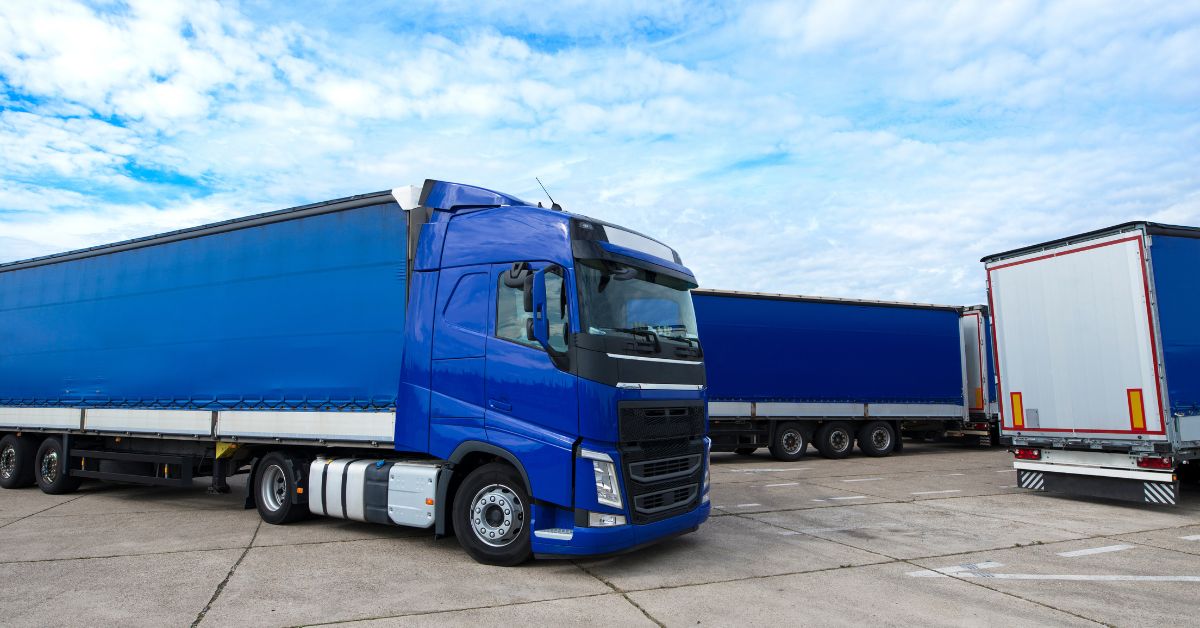
Common Mistakes to Avoid When Transporting Large Freight
Moving large freight seems simple. Load it on a trailer and drive to the destination.
But hundreds of things can go wrong. Cargo shifts and damages vehicles. Weight limits get exceeded causing fines. Improper tie-downs lead to accidents. Insurance doesn’t cover losses because of packing errors.
These mistakes cost businesses thousands of dollars and create dangerous situations on highways. Whether you’re using semi flat bed trailer rental or operating your own fleet, avoiding common errors protects your cargo, your budget, and public safety.
Here are the biggest mistakes companies make when transporting large freight and how to avoid them.
Not Checking Weight Limits
Every trailer has a maximum weight capacity. Roads and bridges have weight limits, too. Exceeding these limits creates serious problems.
Overweight trucks damage trailers and trucks. Axles break. Tires blow out. Brake systems fail under excessive weight. These repairs cost thousands and leave you stranded.
Highway weigh stations catch overweight trucks. Fines start at $500 and go much higher. Some states charge per pound over the limit. A truck 5,000 pounds overweight might face $5,000 in fines.
Overweight vehicles cause accidents. They can’t stop as quickly. They’re harder to control. When crashes happen, liability falls on the operator who exceeded weight limits.
Calculate the total weight before loading. Weigh your cargo if you’re unsure. Add trailer weight and truck weight. Compare this total to legal limits and equipment ratings. Stay under these limits always.
Poor Load Distribution
How you arrange cargo matters as much as total weight. Unbalanced loads create dangerous driving conditions.
Too much weight on the front axles makes steering difficult. The truck becomes hard to control. Front tires wear out quickly due to excessive pressure.
Excess weight on the rear axles causes the front end to lift. This reduces steering control and makes vehicles unstable. Braking becomes dangerous.
A weight concentrated on one side makes trucks tip over on curves. This happens especially when turning or on highway ramps. Tipped trucks create massive traffic problems and cargo damage.
Center heavy items over the axles. Distribute weight evenly from side to side. Place heavier items low and toward the front half of the trailer. Lighter items go toward the back.
Inadequate Tie-Down and Securement
Loose cargo becomes deadly projectiles at highway speeds. Proper securement isn’t optional.
Using a few straps is the most common mistake. One strap per item isn’t enough. Most loads need multiple tie-down points, preventing movement in all directions.
Wrong strap ratings cause failures. Straps have weight ratings. Using straps rated for 1,000 pounds on 5,000-pound items guarantees failure. Check ratings and use appropriate equipment.
Damaged straps and chains fail under load. Check every strap for fraying, cuts, or wear before using it. Throw away damaged equipment immediately.
Improper strap angles reduce effectiveness. Straps should pull straight down at 45-degree angles or steeper. Shallow angles don’t hold cargo effectively.
Nothing securing the front of loads is dangerous. Forward movement during braking needs resistance. Use chains, straps, or blocks to prevent cargo from sliding forward.
Use enough tie-downs for the weight you’re carrying. General rules require one tie-down per 10 feet of cargo length plus additional securement based on weight. Check specific regulations for your cargo type.
Inspect tie-downs during trips. Stop after 50 miles to check everything. Vibration and settling can loosen straps. Retighten as needed.
Forgetting About Height Clearance
Tall loads hit overpasses, power lines, and tree branches. These accidents cause injuries, deaths, and massive property damage.
Measure total height, including the trailer. Don’t guess. Use a tape measure from the ground to the highest point of your loaded cargo.
Know clearance heights on your route. Most interstate overpasses have 14 feet of clearance. Many state highways and city streets have less. Plan routes avoiding low clearances.
Add extra height for uneven roads. Dips and hills change your effective height. Add a six-inch safety margin to your calculations.
Watch for warning signs. Most low clearances are marked. Never assume you’ll fit. If you have doubts, find another route.
Consider that loaded suspensions sit lower than empty ones. The height of your empty trailer doesn’t tell you anything about loaded height. Always measure with cargo aboard.
Ignoring Weather Conditions
Weather dramatically affects large freight transportation. Ignoring forecasts causes accidents and delays.
Wind catches large flat surfaces like plywood sheets or tarped loads. Strong crosswinds push trailers sideways. This makes control difficult and causes rollovers.
Rain makes tie-downs slippery and harder to inspect. It also reduces visibility and braking ability. Wet roads increase stopping distances by 50% or more.
Ice and snow create dangerous conditions for heavy vehicles. Loaded trucks slide easily on ice. They need much longer distances to stop safely.
Extreme heat affects tire pressure and can weaken straps. Check tire pressure more frequently in hot weather. Overinflated tires from heat expansion blow out easily.
Check weather forecasts before trips. Delay non-urgent loads during severe weather. Drive more slowly in poor conditions. Allow extra following distance.
Not Using Proper Equipment for Cargo Type
Different cargo types need specific trailers and equipment. Using the wrong equipment damages cargo and creates safety hazards.
Flatbed trailers work for sturdy items that handle weather exposure. They don’t work for weather-sensitive cargo or items needing enclosed protection.
Step-deck trailers handle taller loads by lowering the deck. They provide extra height clearance while staying under legal limits.
RGN trailers with removable goosenecks load equipment that can’t be lifted. They’re essential for extremely heavy machinery.
Specialized equipment like coil racks, pipe bunks, and lumber cradles secures specific cargo types properly. Loading pipes on a plain flatbed without pipe bunks creates serious hazards.
Tarps protect weather-sensitive freight. But tarps add complexity to securement and create wind resistance. Use them only when necessary and secure them properly.
Skipping Pre-Trip Inspections
Walking around your loaded truck before leaving prevents most problems. Skipping this step causes avoidable failures.
Check every strap and chain. Look for proper tension and correct attachment points. Make sure nothing is frayed or damaged.
Inspect tire pressure and condition on both truck and trailer. Under-inflated tires heat up and blow out. Over-inflated tires provide less traction.
Test all lights and signals. Other drivers need to see your intentions. Broken lights cause accidents and draw police attention.
Look for fuel and fluid leaks. Catching leaks before driving prevents breakdowns and environmental problems.
Check that cargo isn’t overhanging beyond legal limits. Most states allow minimal overhang with proper marking. Excessive overhang requires special permits.
Verify you have all required permits and documentation. Oversize loads need special permits varying by state. Missing permits results in fines and forced unloading.
Improper Route Planning
Not all routes work for large freight. Planning prevents getting stuck in impossible situations.
Low clearance bridges and overpasses trap tall loads. Research your route beforehand. Use GPS systems designed for commercial vehicles that know clearance heights.
Weight-restricted bridges can’t handle heavy loads. These restrictions are posted but easy to miss. Plan routes using bridges rated for your total weight.
Narrow residential streets can’t accommodate wide loads. You’ll get stuck or damage property trying to navigate them. Stick to highways and truck routes.
Roads with sharp turns trap long trailers. Extended loads need wide turning radiuses. Plan routes with gentle curves and adequate turn space.
Construction zones create obstacles. Check for current construction on your route. Have alternate routes ready if your primary route is blocked.
Not Considering Loading and Unloading Access
Arriving at destinations without proper unloading space creates expensive problems.
Confirm unloading equipment is available. If you need a forklift or crane, verify it’s ready before arriving. Waiting for equipment costs time and money.
Check ground conditions at loading and unloading sites. Soft ground can’t support heavy vehicles. Trucks and loaded trailers sink in mud, getting stuck.
Verify adequate space for maneuvering. Long trailers need room to back up and turn around. Getting stuck in tight spaces requires expensive towing.
Coordinate timing with receivers. Showing up when facilities are closed wastes time. Confirm receiving hours and any special requirements.
Inadequate Insurance Coverage
Many freight operators discover insurance gaps after accidents happen. This costs far more than proper coverage.
Standard truck insurance doesn’t cover all cargo types. High-value freight needs additional coverage. Specialized cargo like electronics or hazardous materials require specific policies.
Verify coverage limits match your cargo value. If you’re hauling $100,000 worth of equipment, make sure your policy covers that amount.
Understand exclusions in your policy. Many policies exclude damage from improper securement, overweight vehicles, or unpermitted loads. Violations void coverage.
Keep proof of insurance accessible. Police and weigh stations request documentation. Missing papers results in fines and possible vehicle impoundment.
Not Training Drivers Properly
Drivers need specific training for large freight hauling. Assuming they know what they’re doing causes accidents.
Load securement training should be mandatory. Drivers must understand proper techniques for different cargo types. This includes strap placement, tension requirements, and inspection procedures.
Weight distribution knowledge prevents dangerous load arrangements. Drivers should understand how improper weight distribution affects handling and safety.
Route planning skills help drivers avoid problems. They need to recognize situations where their load won’t fit or where conditions are dangerous.
Emergency procedures save lives. Drivers should know what to do when cargo shifts, tie-downs fail, or weather becomes dangerous.
Ignoring Regulations and Permits
Transportation regulations exist for safety. Ignoring them causes legal problems and safety hazards.
Hours of service rules limit driving time. These prevent fatigued driving. Violations result in fines and forced stops.
Oversize and overweight permits are required for loads exceeding standard limits. Each state has different requirements and fees. Operating without proper permits results in expensive fines.
Special cargo, like hazardous materials, requires specific licensing and placarding. Transporting hazmat without proper credentials is illegal and extremely dangerous.
DOT inspections check compliance with regulations. Violations discovered during roadside inspections result in fines, out-of-service orders, and safety scores that affect your business.
Protecting Your Freight and Your Business
Transporting large freight successfully requires attention to detail and careful planning. Mistakes in this industry cost thousands of dollars and endanger lives.
Start with proper equipment rated for your cargo. Calculate weights and distributions accurately. Use adequate securement checked regularly throughout trips.
Plan routes considering height, weight, and width restrictions. Check weather and road conditions. Coordinate with loading and unloading facilities.
Maintain proper insurance coverage and documentation. Train drivers thoroughly in all aspects of large freight transportation.
The time invested in doing things correctly prevents accidents, fines, and cargo damage. Your reputation and business depend on delivering freight safely and reliably.
Avoid these common mistakes, and you’ll join the professional transporters who move large freight safely and profitably for years.
READ MORE: TRUE REALTY VALUE