
Bioanalytical laboratories: advanced techniques for reliable biomarker analysis
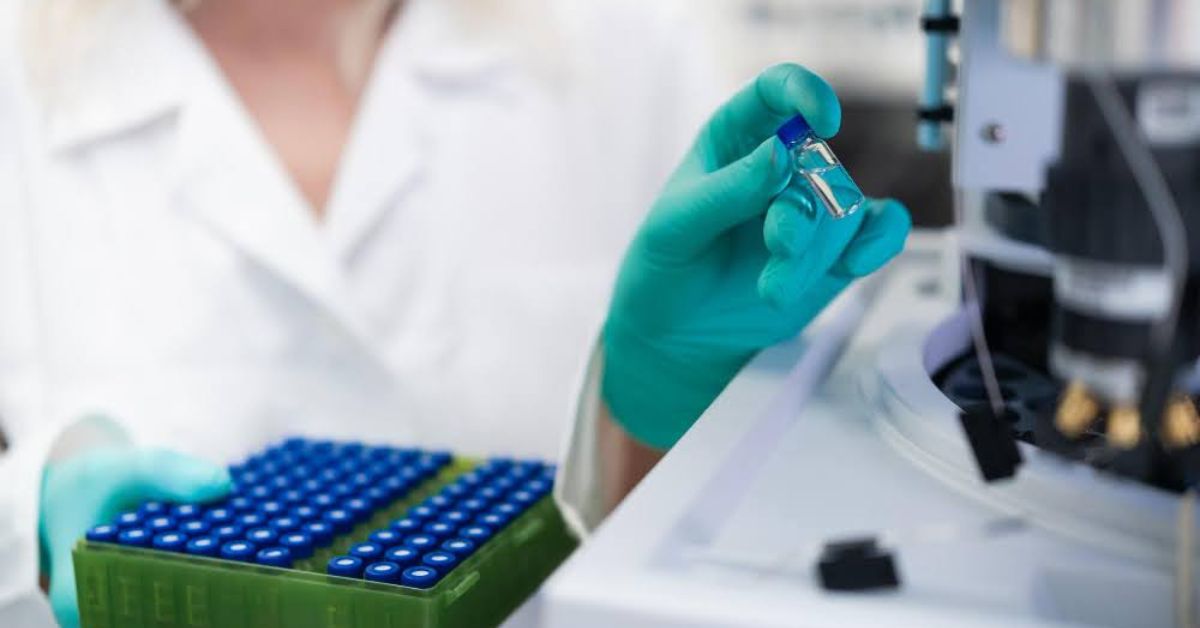
Bioanalytical laboratories are the backbone of modern drug research. This is where measurable data show what actually happens to an active substance once it enters the human body. It is not about theory, but about concrete results obtained from real biological samples.
The quality of these results directly influences critical decisions such as correct dosing, treatment safety, and clinical effectiveness. For this reason, the advanced techniques used in bioanalytical laboratories are not a luxury, but a necessity.
They ensure accuracy, reproducibility, and full traceability, even when working with large sample volumes or compounds that are difficult to analyze. A well-equipped and well-organized laboratory can make the difference between a convincing study and one with no real value.
The role of bioanalytical laboratories in biomarker analysis
Biomarkers are measurable indicators that show how the body responds to a drug. These may include plasma concentrations, metabolites, enzymes, or other relevant biological parameters. Bioanalytical laboratories are responsible for identifying and quantifying these biomarkers with high precision.
For data to be useful, analytical methods must be rigorously validated. This means that every step is tested for accuracy, sensitivity, and stability. Even small errors can become significant when results are used to support clinical decisions.
In daily practice, these laboratories support bioequivalence and bioavailability studies. They demonstrate whether two formulations of the same drug behave similarly in the body. This is important both for generic medicines and for optimizing new products.
Key responsibilities of a bioanalytical laboratory include:
- proper processing of biological samples;
- quantitative analysis of active substances and metabolites;
- quality control of generated data;
- ensuring complete traceability for every sample.
Without these steps, results cannot be considered reliable, regardless of how advanced the clinical study may be.
Advanced techniques that ensure reliable and reproducible data
Technology used in bioanalytical laboratories has evolved rapidly in recent years. Modern analysis no longer means only high-performance equipment, but also automated processes and intelligent data control systems.
One of the most widely used techniques is chromatography coupled with mass spectrometry. This allows the detection of extremely low concentrations, even in complex samples. It is essential when analyzing active compounds administered at very low doses.
For certain types of biomarkers, methods based on antigen-antibody reactions are used. These are especially useful for large molecules such as proteins or therapeutic antibodies. High sensitivity helps generate relevant data even in the early stages of drug development.
Automation also plays a key role. Robotic sample preparation systems reduce the risk of human error and increase processing speed. At the same time, dedicated software tracks each sample from collection to the final report.
Concrete advantages of these advanced techniques include:
- high consistency of results;
- shorter processing times;
- large analytical capacity;
- compliance with international regulatory requirements.
All these factors contribute to confidence in the data generated by bioanalytical laboratories.
From biological sample to clinical decision
An often overlooked aspect is the direct link between bioanalytical analysis and final clinical decisions. The data obtained do not remain in a technical report. They are used to determine dosing, assess safety, and compare the performance of different formulations.
The process begins with correct sample collection. Any deviation at this stage can compromise the analysis. This is followed by storage and transport, which must meet strict conditions to prevent biomarker degradation.
In the laboratory, every analysis step is carefully documented. Full traceability is especially important in regulated studies. This ensures that any result can be verified and reproduced if needed.
Final data are integrated with clinical and pharmacokinetic information. From this combination, conclusions are drawn about how a drug behaves in the body. Without solid bioanalytical analysis, these conclusions would be incomplete or even misleading.
Modern bioanalytical laboratories are not just data providers. They are real partners in drug development, actively contributing to reduced costs and lower risks associated with clinical studies.
The value of a bioanalytical laboratory is reflected in the quality of the decisions it supports. Advanced techniques, well-controlled processes, and team expertise transform biological samples into meaningful information. Where data are robust, clinical outcomes become more predictable, and the path from research to patient is safer and more efficient.
Meta description: Discover the advanced techniques used in bioanalytical laboratories for biomarker analysis and how they ensure accurate data for clinical decision-making.