
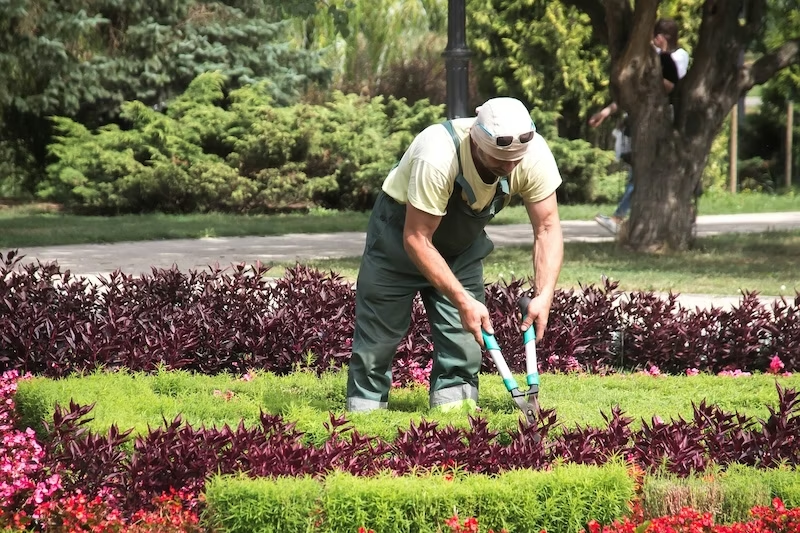
5 Groundskeeping Tasks That Improve Student Safety
School campuses are busy places. Between morning drop-offs, recess, sports practice, and after-school activities, students are constantly moving through outdoor spaces. And while most safety conversations focus on what happens inside the classroom, the grounds surrounding a school can pose just as many risks if left unmanaged.
The good news? Consistent, proactive groundskeeping goes a long way toward preventing accidents and creating an environment where students can focus on learning—not dodging hazards. Here are five groundskeeping tasks that every school should prioritize.
1. Regular Tree Inspection and Trimming
Trees add beauty and shade to any campus, but they can also be a serious liability. Dead branches, unstable root systems, and overgrown canopies are all potential dangers, particularly during high winds or storms. A falling limb doesn’t give much warning—and near a playground or walkway, the consequences can be severe.
Scheduling routine tree inspections helps catch problems before they escalate. Look for branches that hang over high-traffic areas, signs of disease or decay, and any trees leaning at an unusual angle. For campuses in Utah, partnering with a certified tree service in Salt Lake City ensures inspections are conducted by professionals who understand the region’s specific soil conditions and seasonal risks.
Trimming should be done at least once a year, with additional checks after major storms.
2. Pathway and Walkway Maintenance
Cracked pavement, uneven surfaces, and water pooling are among the most common causes of slip-and-fall injuries on school grounds. Students—especially younger ones—aren’t always watching where they’re going, which makes well-maintained walkways an absolute must.
Groundskeeping teams should regularly inspect all paved areas for cracks, lifted edges, and drainage issues. Any damage should be repaired promptly. During winter months, this also means keeping pathways clear of ice and snow, and applying appropriate treatments to prevent refreezing.
Don’t overlook unpaved areas, either. Gravel paths, grass shortcuts, and dirt tracks can develop ruts and soft spots that are easy to trip over—especially after rain.
3. Playground Surface Upkeep
Playgrounds are where kids run, jump, and occasionally fall. The surface beneath play equipment plays a major role in determining how serious an injury might be when that happens. Hard-packed dirt or worn-down rubber matting offers little protection compared to properly maintained mulch, engineered wood fiber, or rubber surfacing.
Groundskeeping staff should check playground surfaces weekly to ensure adequate depth and coverage. Materials shift over time and need to be redistributed or replenished regularly. The area should also be inspected for foreign objects—glass, sharp debris, or anything a child could land on.
Most safety standards recommend a minimum surface depth of 12 inches for materials like wood chips or pea gravel under and around all play equipment. Keeping records of these checks can also be useful for compliance and liability purposes.
4. Weed and Pest Control
Overgrown vegetation isn’t just an eyesore—it creates hiding spots for pests, contributes to allergy issues, and can obscure visibility in areas that should be monitored. Dense weeds along fences or in neglected corners also attract insects like wasps and bees, which pose a real risk to students with allergies.
A consistent weed management schedule, combined with appropriate pest control treatments, keeps these risks in check. When selecting products to use on school grounds, it’s important to choose options that are safe for children and comply with local regulations. Many schools now opt for integrated pest management (IPM) strategies, which minimize chemical use while still effectively controlling pest populations.
Landscaping beds and grassy areas around buildings should be maintained regularly to reduce overgrowth and limit pest harborage.
5. Lighting and Visibility Checks
Groundskeeping isn’t limited to plants and pavement. Outdoor lighting is a critical safety feature, particularly for early morning arrivals, evening events, and darker winter months. Poorly lit parking lots, entryways, and pathways increase the risk of accidents—and raise concerns around student security.
As part of regular grounds maintenance, staff should walk the campus perimeter to identify burned-out bulbs, fixtures obstructed by overgrown trees or shrubs, and any blind spots that would benefit from additional lighting. Vegetation that blocks sightlines to key areas like building entrances or crosswalks should be trimmed back promptly.
Good visibility also supports staff supervision. When outdoor areas are well-lit and clear of obstructions, it’s easier to monitor student activity and respond quickly if something goes wrong.
A Safe Campus Starts Outside
The connection between well-maintained grounds and student safety is clear. From inspecting trees to fixing cracked walkways, each of these tasks contributes to a campus where students and staff can move around confidently.
The key is consistency. Reactive maintenance—waiting until something breaks or causes an injury—is both costlier and riskier than scheduled, preventive care. Schools that invest in a structured groundskeeping program not only reduce accidents, they also signal to families and students that their well-being is a genuine priority.
Start by auditing your current grounds maintenance schedule. Identify gaps, assign responsibilities, and build in seasonal checks that account for weather-related wear. A safer campus is well within reach—and it starts with the ground beneath your students’ feet.