Turn Your Spare Room Into the Ultimate Hobby Space
That spare room has been collecting dust long enough. Whether it’s filled with unopened boxes or serving as an unofficial storage unit, transforming it into a dedicated hobby space could be one of the most rewarding home improvement projects you tackle this year. A well-designed hobby room gives you a place to focus, create, and recharge—on your terms.
Start with What You’ve Got: Assessing Your Space
Before buying a single shelf or piece of furniture, take stock of the room itself. Grab a tape measure and note the exact dimensions—length, width, and ceiling height. Ceiling height is often overlooked, but it opens up possibilities for tall storage units and wall-mounted displays that can dramatically expand your usable space.
Next, evaluate your natural light sources. Which direction do the windows face? North-facing rooms tend to get consistent, diffused light throughout the day—great for painting or detailed craftwork where harsh shadows cause problems. South-facing rooms get more direct sunlight, which can be ideal for plant-based hobbies or casual reading nooks but may require window treatments to reduce glare on screens.
Also, note where your electrical outlets are located. If your hobby involves multiple devices—monitors, tools, speakers—you’ll want to plan your layout around power access early, rather than running cables across the room as an afterthought.
Define the Purpose Before You Design
The biggest mistake people make when setting up a hobby room is trying to make it work for everything at once. A room that serves every purpose often ends up serving none particularly well. Defining your primary hobby first will guide every decision that follows.
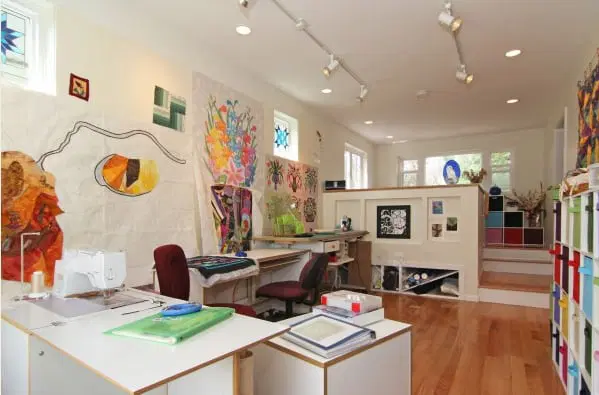
Crafting and art studios benefit from large, flat work surfaces, bright overhead lighting, and plenty of storage for materials. Consider a layout that keeps frequently used supplies within arm’s reach and less-used items neatly stored away.
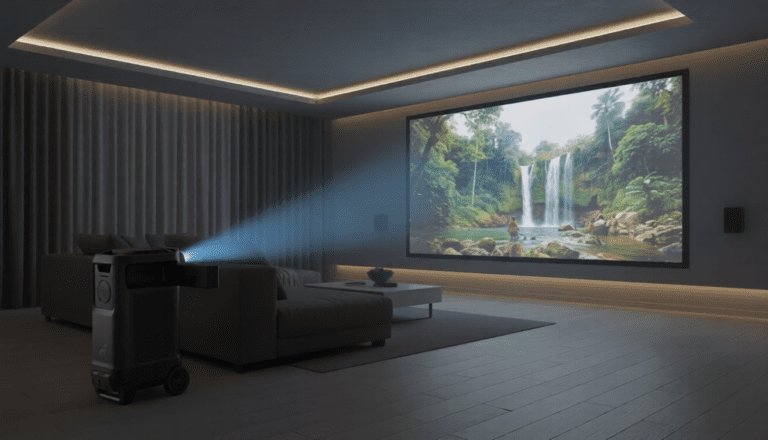
Gaming setups call for a different approach. Here, screen placement, cable management, and acoustic treatment take priority. A U-shaped desk layout works well for multi-monitor configurations, and blackout curtains can eliminate screen glare during long sessions.
Fitness rooms need open floor space above all else. Mirrors along one wall help with form checks, rubber flooring protects both the subfloor and your joints, and wall-mounted storage keeps equipment off the ground when not in use.
For those interested in golf, home golf simulators have become an increasingly popular choice for dedicated hobby rooms. These setups typically require a minimum ceiling height of around nine feet, a clear hitting zone of at least ten feet deep, and proper impact protection behind the screen. If this is your goal, plan your room layout around these requirements from the start.
Whatever your hobby, resist the urge to cram in secondary uses until the primary setup is fully functional.
Smart Storage: Think Vertical, Think Modular
Storage can make or break a hobby room. Too little, and the space becomes cluttered and stressful to use. Too much of the wrong kind, and your supplies become impossible to find.
The most effective approach is to think vertically. Floor-to-ceiling shelving maximizes storage without consuming precious floor space. Open shelving works well for items you reach for regularly, while closed cabinets or bins keep the room feeling tidy.
Modular storage systems are worth the investment because they adapt as your hobby evolves. Pegboards are another underrated option—they’re affordable, endlessly customizable, and keep tools and supplies visible and accessible. In a crafting room, a pegboard above the workstation can hold scissors, tape, rulers, and small containers for materials, keeping the desktop clear for actual work.
Label everything. It sounds simple, but labeled bins and boxes reduce the mental load of tidying up and make it easier to maintain order over time.
Ergonomics and Comfort: Set Yourself Up for Long Sessions
A hobby room should feel good to spend time in. Poor ergonomics—an uncomfortable chair, inadequate lighting, or a surface that’s the wrong height—can turn a relaxing pastime into a source of physical strain.
Start with your seating. If your hobby involves sitting for extended periods, invest in a chair that supports your lower back and keeps your hips at roughly a 90-degree angle. Your feet should rest flat on the floor, and your arms should be at a comfortable height relative to your work surface.
Task lighting is equally important. Overhead lighting alone rarely provides the focused illumination needed for hobbies that require precision. A dedicated task light positioned to reduce shadows and minimize eye strain makes a real difference during long sessions. For crafting and detailed work, look for bulbs with a high color rendering index (CRI) so colors appear true to life.
If your hobby involves screens, position your monitor at eye level and roughly an arm’s length away. Even small adjustments in screen height and distance can significantly reduce neck and eye fatigue over time.
Personalized Decor: Make It Yours
Function comes first, but that doesn’t mean your hobby room has to feel clinical. The decor you choose directly affects how motivated and inspired you feel when you step inside.
Color psychology plays a real role here. Cooler tones like blues and greens tend to promote calm and focus, making them well-suited to reading rooms, studios, or meditation spaces. Warmer tones like yellows and oranges can energize a fitness room or creative workshop. Whatever palette you choose, keep it consistent to create a cohesive atmosphere.
Soundproofing is another element that often gets overlooked until it becomes a problem. Adding acoustic panels to the walls, laying down a thick rug, and placing soft furnishings throughout the room can all help absorb sound—useful if your hobby is noisy, or if you simply want to block out distractions from the rest of the house.
Finally, surround yourself with things that inspire you. Framed artwork, a mood board, a shelf of favorite books, or a display of completed projects all contribute to a space that feels personal and worth spending time in.
Maintenance Tips: Keeping the Space Functional Long-Term
The best hobby rooms are ones that stay functional, not just on day one, but months and years later. Building a few simple habits into your routine makes a significant difference.
End each session with a five-minute reset. Return tools to their designated spots, clear the work surface, and dispose of any waste. This small habit prevents the gradual buildup of clutter that slowly makes a space less enjoyable to use.
Do a monthly audit of your supplies. Hobbies evolve, and the materials you needed six months ago may no longer serve you. Regularly reviewing and editing your supplies keeps storage manageable and prevents the room from feeling overwhelmed.
Dust and clean surfaces weekly. Hobby rooms—especially those used for crafting, woodworking, or painting—can accumulate dust and residue quickly. A quick wipe-down prevents buildup and keeps materials in better condition.
Reassess the layout seasonally. As your hobby changes or your skills develop, your space needs may shift. A layout that worked perfectly when you started might need adjusting as your collection of tools grows, or your projects become more ambitious.
Conclusion
A dedicated hobby room is an investment in your passion. A well-designed, organized space tailored to your needs removes friction and lets you focus on what you love. The transformation doesn’t need to happen overnight. Start with the fundamentals—purpose, storage, and ergonomics—and build from there. Small, deliberate improvements are more effective than aiming for immediate perfection. Your spare room is waiting.