Temperature Turbulence: The Hidden Risks to Your Car
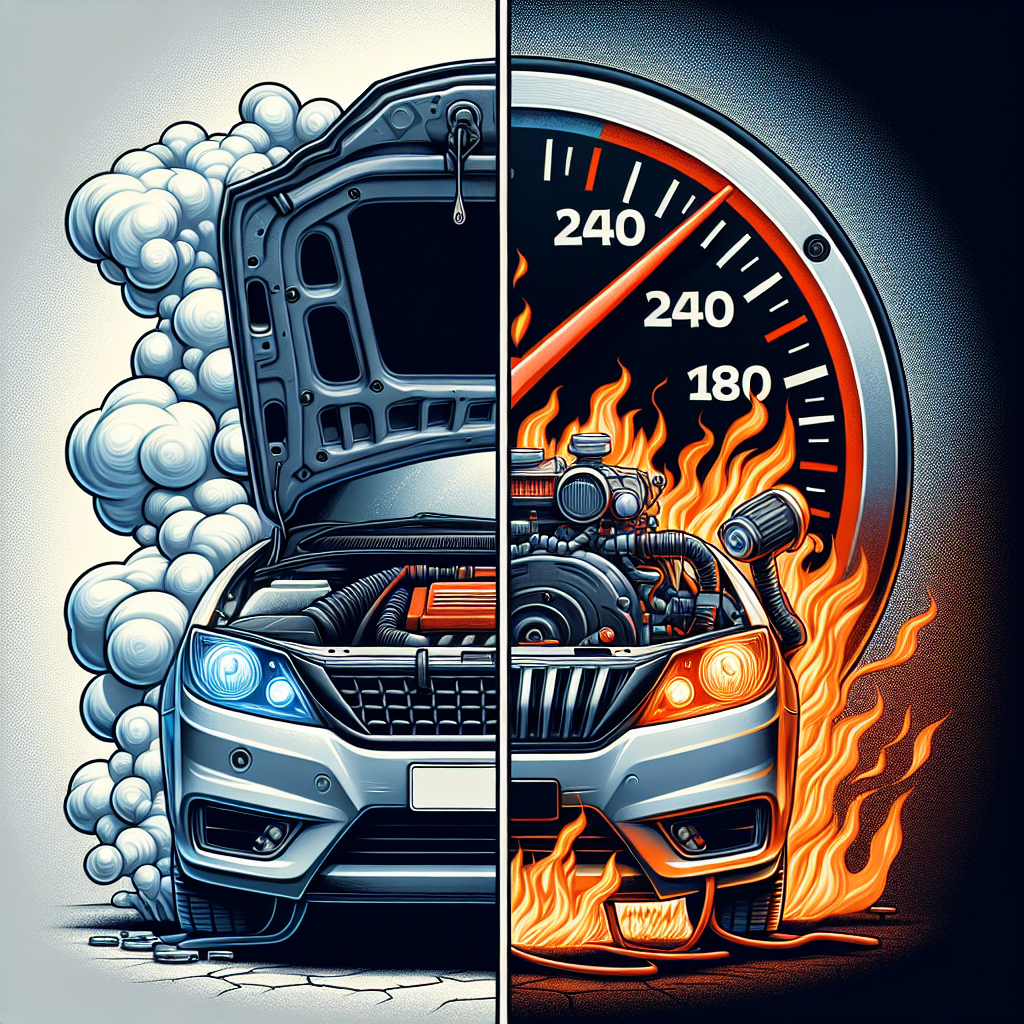
Cars are built to handle a lot, but rapid swings in temperature—from freezing cold to scorching heat—can cause serious damage if you’re not careful. Understanding these risks is essential for keeping your vehicle in top shape and avoiding costly repairs.
How Temperature Swings Affect Your Engine
Your car’s engine is designed to operate within specific temperature ranges. When temperatures shift suddenly, engine components expand or contract quickly, which can stress metal parts. Over time, this can lead to:
- Cracks in the engine block or cylinder head
- Warped engine components
- Reduced efficiency and higher fuel consumption
Cold weather can thicken engine oil, making it harder for the engine to start. On the other hand, extreme heat can thin lubricants, reducing their ability to protect moving parts. Regular oil checks and using the recommended oil grade for your climate can help mitigate these effects.
The Impact on Tires and Suspension
Temperature fluctuations also take a toll on your tires. Cold causes the air inside tires to contract, lowering pressure, while heat makes it expand. Driving with incorrect tire pressure can lead to:
- Reduced traction and handling
- Uneven tire wear
- Increased risk of blowouts
Suspension components aren’t immune either. Metal bushings and shocks can contract in the cold and expand in heat, leading to stiffness or sagging, which affects your ride quality and safety. Regular tire pressure checks and seasonal inspections of suspension parts can save you headaches.
Battery and Electrical System Concerns
Your car’s battery is particularly sensitive to temperature changes. Cold weather slows down chemical reactions inside the battery, reducing its ability to hold a charge, while hot weather accelerates fluid evaporation, shortening battery life. Signs of battery strain include slow engine cranks, dim lights, and dashboard warning signals. Keeping terminals clean and checking your battery’s health twice a year is a good preventative step.
Electrical components, including sensors and control modules, are also susceptible. Rapid expansion and contraction of plastic housings can cause cracks, loose connections, or corrosion. Protecting your car from prolonged exposure to extreme temperatures and performing regular inspections can prevent electrical failures.
Interior and Exterior Damage
Temperature swings affect not just the mechanics but also the interior and exterior of your car. Heat can warp dashboards, fade upholstery, and cause adhesives to fail, while cold can make plastics brittle and more prone to cracking. Rubber seals around doors and windows may shrink or crack, causing leaks and wind noise.
Even your windshield can suffer. Sudden shifts from hot sun to cold air or ice can stress the glass, leading to cracks or chips. If damage occurs, it’s important to address it promptly. Local services, like windshield replacement in Orem, can restore safety and prevent minor cracks from turning into costly problems.
Tips to Protect Your Car
While you can’t control the weather, there are practical steps you can take to reduce the impact of temperature fluctuations:
- Regular Maintenance: Keep up with oil changes, tire rotations, and fluid checks.
- Check Tire Pressure: Monitor pressure during seasonal shifts and before long trips.
- Battery Care: Test your battery, especially before winter or summer extremes.
- Garage Storage: Whenever possible, park in a garage or shaded area.
- Protect Your Windshield: Use sunshades in summer and de-icer in winter to minimize stress.
- Routine Inspections: Regularly check suspension, hoses, seals, and electrical connections.
Conclusion
Sudden temperature changes can have hidden, cumulative effects on your car, from the engine to the interior. By understanding the risks and taking preventative steps, you can keep your vehicle running smoothly and avoid expensive repairs. Remember, even small issues like a chipped windshield can worsen in extreme temperatures, so address them promptly. Services like windshield replacement in Orem ensure your car stays safe and protected, no matter what the weather throws at you.
Proactive care and attention to your vehicle’s needs can make all the difference when navigating temperature turbulence. Stay vigilant, and your car will thank you with years of reliable performance.