
Why Preventive Healthcare Matters for Growing Kids
Most parents jump into action the moment a child gets sick. But the most impactful healthcare decisions are often made long before any symptoms appear. Preventive healthcare—routine check-ups, vaccinations, nutritional guidance, and mental health screenings—forms the foundation of a child’s long-term well-being.
Why Early Detection Changes Everything
Catching a health issue early almost always leads to better outcomes. This is especially true in pediatrics, where conditions like vision impairment, hearing loss, developmental delays, and scoliosis often show subtle signs long before they become obvious problems.
Developmental screenings during well-child visits help identify potential delays in speech, motor skills, and cognition. When flagged early, children can access therapies and interventions during the years when the brain is most adaptable. Without those screenings, a child might spend years struggling in school before anyone connects the dots.
Early detection also applies to chronic conditions. Type 1 diabetes, asthma, and certain heart conditions can be managed far more effectively when identified at the first signs rather than after a crisis. Routine blood pressure checks, for example, take less than a minute but can reveal hypertension in children—a condition most parents don’t expect, but one that affects roughly 3.5% of kids in the U.S.
Regular Check-Ups: More Than Just a Physical
Well-child visits are easy to skip when a child seems healthy. They feel less urgent than a sick visit, and scheduling them around school and work can be a hassle. But these appointments serve a purpose that reactive care simply cannot.
At each visit, a pediatrician tracks height, weight, and developmental milestones against established growth charts. These measurements reveal patterns over time. A child who drops from the 60th to the 20th percentile for weight over six months signals something worth investigating, even if they seem fine on the surface.
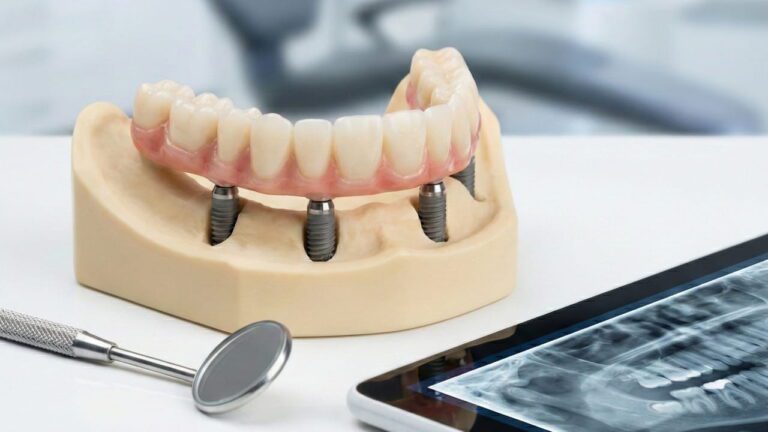
Dental health is another critical component of preventive care that often gets overlooked. Regular visits to a pediatric dentist in Oregon City can catch early signs of tooth decay, misalignment, and gum issues before they require more invasive treatment. Cavities in baby teeth may seem inconsequential, but untreated decay can cause pain, infection, and problems with the emergence of permanent teeth.
Well-child visits also give parents a structured opportunity to raise concerns—sleep issues, behavioral changes, social difficulties—that might feel too minor to warrant a separate appointment but are genuinely worth discussing with a professional.
The Case for Staying Current With Vaccinations
Childhood vaccinations are one of the most studied, evidence-backed interventions in modern medicine. They protect individual children and contribute to herd immunity, reducing the risk of outbreaks that can harm vulnerable populations who cannot be vaccinated.
The recommended childhood immunization schedule is designed around timing—certain vaccines are most effective when given at specific developmental stages. Falling behind on vaccinations doesn’t just leave a child temporarily unprotected; it can create gaps that are harder to close as children get older and their immune responses shift.
Beyond the well-known vaccines for measles, polio, and whooping cough, newer additions to the schedule—like the HPV vaccine and meningococcal vaccines for adolescents—address serious diseases that parents may not associate with childhood immunization. Staying up to date is one of the highest-impact steps a family can take for long-term health protection.
Nutritional Foundations That Last a Lifetime
Food choices made during childhood don’t just affect growth in the short term—they influence metabolic health, immune function, and even cognitive development well into adulthood. Children who establish healthy eating patterns early are more likely to carry those habits forward.
Preventive care in this area isn’t about rigid diets. It’s about ensuring children get adequate iron, calcium, vitamin D, and essential fatty acids during key growth windows. Iron deficiency, for example, is the most common nutritional deficiency among young children globally, and it can impair brain development even when no obvious symptoms are present.
Pediatric well-visits often include nutritional assessments that help identify deficiencies or concerning dietary patterns. A clinician who notices a toddler subsisting mostly on processed foods can connect the family with a dietitian. This intervention costs relatively little but can reshape a child’s relationship with food for years.
Mental Health Screenings Belong in Pediatric Care
Physical health gets most of the attention in pediatrics, but mental health is equally important—and equally treatable when caught early. Anxiety, ADHD, depression, and behavioral disorders frequently emerge during childhood and adolescence, yet many go undiagnosed for years.
Pediatric mental health screenings are brief and can be administered during routine visits. Tools like the Pediatric Symptom Checklist or the PHQ-A for adolescents help identify children who may benefit from further evaluation. Early intervention through therapy, behavioral support, or—where appropriate—medication can dramatically improve a child’s quality of life and academic performance.
There’s also a broader benefit. Children who learn to identify and articulate their emotions with professional support develop stronger coping skills and emotional resilience. Those skills reduce the likelihood of mental health crises in adolescence and adulthood, making early screening a genuinely long-term investment.
Preventive Care Reduces Costs Over Time
Healthcare is expensive, and preventive care requires regular appointments, co-pays, and time. It can feel like a financial burden, especially for families managing tight budgets. But the math over time tells a different story.
Treating a child for advanced tooth decay costs significantly more than a routine cleaning that could have caught the problem earlier. Managing an asthma emergency in an ER costs more than the controller medications and monitoring that keep symptoms in check. Early developmental therapy is far less resource-intensive than the support a child may need after years of unaddressed delays.
Research consistently shows that preventive pediatric care reduces hospitalizations, emergency department visits, and long-term treatment costs. Families who maintain regular well-child visits tend to catch problems at stages when they’re still straightforward to address—before they compound into something more complex and costly.
Conclusion
Preventive healthcare is an ongoing commitment that evolves as children grow, from newborn screenings to teen dental care. Building a relationship with a trusted pediatric care team early and staying consistent with visits is key. Use well-child visits to ask questions and address concerns. Your child’s long-term health is shaped by small, consistent decisions—starting early makes all the difference.