How Tire Killer Systems Strengthen Commercial and Government Facility Security
In an era where vehicle-borne threats and unauthorized access attempts are increasing, commercial complexes and government facilities must adopt robust perimeter security measures. Traditional security checkpoints and manned gates are no longer sufficient to prevent deliberate or accidental breaches. One of the most effective solutions in modern vehicle access control is the tire killer system. Designed to prevent unauthorized vehicle entry by disabling tires instantly, a tire killer acts as a powerful deterrent and an active defensive mechanism in high-risk environments.
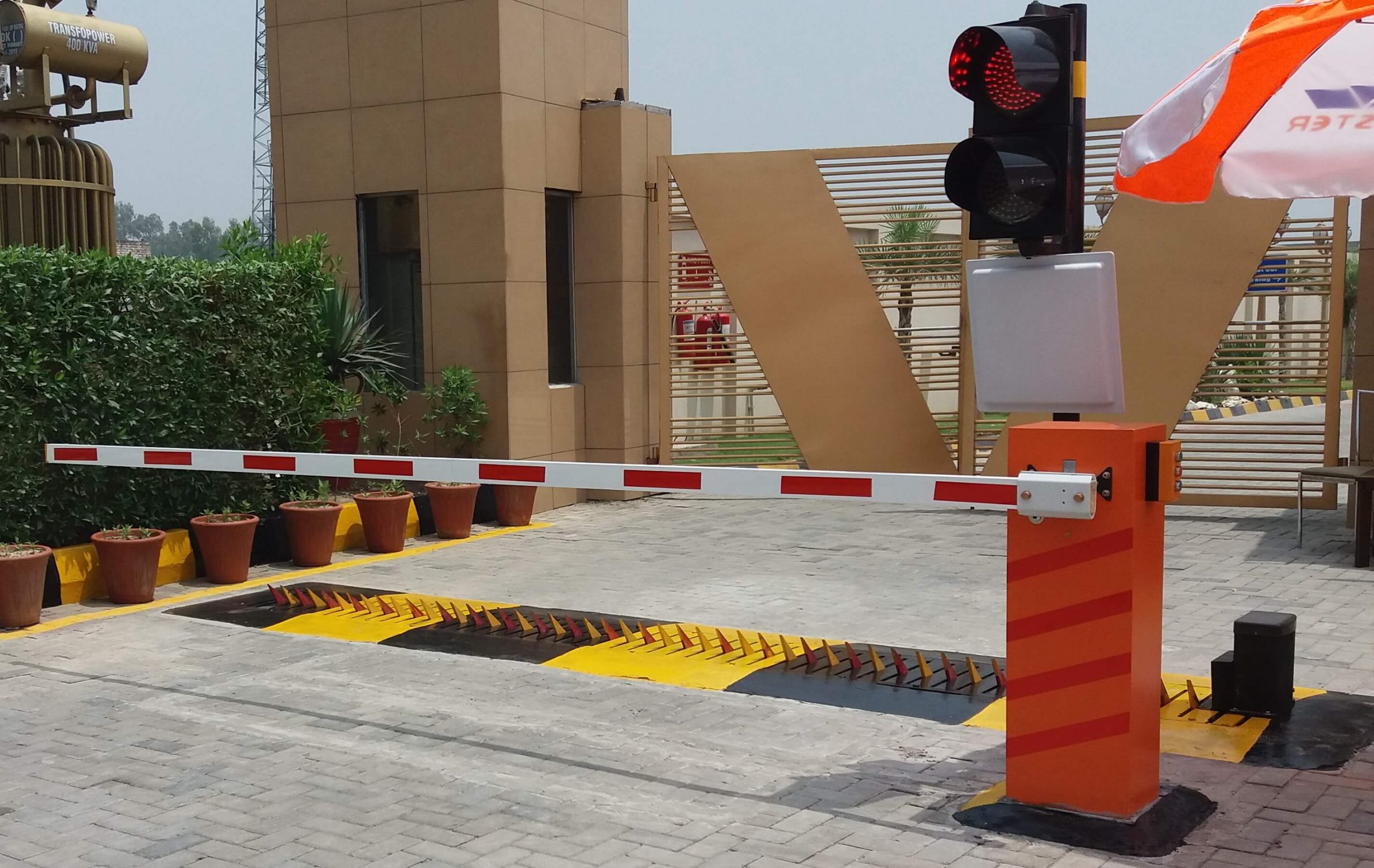
A tire killer is a mechanical barrier installed at entry and exit points. It consists of heavy-duty steel spikes mounted on a hinged platform embedded into the roadway. When deployed, the spikes puncture vehicle tires that attempt unauthorized passage, effectively immobilizing the vehicle. When access is permitted, the system retracts to allow safe vehicle movement. This controlled functionality makes the tire killer an essential component of layered security infrastructure.
The Growing Need for Vehicle Access Control
Commercial buildings, logistics hubs, airports, embassies, military installations, data centers, and financial institutions are increasingly exposed to security threats involving vehicles. Unauthorized vehicle entry can result in theft, vandalism, sabotage, or more severe incidents. Government facilities, in particular, require strict control over vehicular movement to protect sensitive operations and personnel.
Unlike conventional gates or bollards, a tire killer provides an immediate physical consequence for breach attempts. Its presence alone serves as a psychological deterrent. Drivers are unlikely to risk damaging their vehicles, which significantly reduces the chances of forced entry.
Modern security architecture relies on a layered defense approach. Surveillance systems, access control devices, boom barriers, road blockers, and tire killer units work in coordination to create a comprehensive security network.
Operational Mechanism and Safety Design
The effectiveness of a tire killer lies in its precision engineering. Manufactured using hardened steel components, the spikes are designed to puncture tires efficiently while minimizing risk to authorized users. Advanced systems incorporate electro-mechanical or hydraulic actuation, enabling rapid deployment and retraction.
Safety remains a priority in modern designs. Sensors and integration with access control systems ensure that spikes are retracted before authorized vehicles pass. Traffic lights and warning signals guide drivers, reducing the risk of accidental activation. Emergency override functions allow security personnel to deactivate the system instantly if necessary.
Weather-resistant coatings and corrosion protection extend the lifespan of the equipment, making it suitable for outdoor installations in diverse environmental conditions.
Hydraulic Tyre Killers
Hydraulic Tyre Killers represent an advanced evolution of traditional mechanical systems. These units utilize hydraulic cylinders to raise and lower the spike assembly with enhanced speed and reliability. Hydraulic Tyre Killers are particularly suitable for high-traffic commercial entrances and sensitive government compounds where rapid response is critical.
The hydraulic mechanism ensures smooth operation even under heavy usage cycles. It provides higher load-bearing capacity, allowing the system to withstand repeated impact attempts from large vehicles. Integrated pressure sensors monitor performance, ensuring consistent deployment force.
Because of their durability and responsiveness, Hydraulic Tyre Killers are widely deployed in airports, military bases, border checkpoints, and industrial facilities. Their compatibility with automated access control systems allows seamless integration with RFID readers, biometric scanners, and license plate recognition technologies.
Integration with Broader Security Infrastructure
A tire killer is rarely used as a standalone device. Its maximum effectiveness is achieved when integrated with complementary security solutions. For instance, boom barriers regulate authorized entry, while the tire killer acts as a secondary defense against tailgating or forced entry attempts.
Closed-circuit television systems monitor vehicle movement in real time. If a security breach is detected, operators can activate the tire killer immediately. Access control software logs entry data, ensuring traceability and accountability.
Government installations often combine tire killer systems with reinforced road blockers and crash-rated bollards to achieve higher impact resistance levels. This multi-layered configuration ensures both deterrence and active prevention.
Applications Across Commercial and Government Sectors
In commercial environments such as shopping malls, corporate campuses, and logistics centers, tire killer systems prevent unauthorized vehicle access during non-operational hours. They protect assets, inventory, and personnel from theft and vandalism.
Data centers deploy tire killer installations to safeguard critical IT infrastructure. Unauthorized vehicle access to such facilities can compromise national and corporate data security.
Government facilities, including embassies and defense installations, require the highest level of perimeter protection. Tire killer systems ensure that only verified vehicles can enter secure zones. In border control operations, they assist in regulating cross-border traffic and preventing illegal entry.
Airports use these systems at restricted access points to prevent runway intrusion. Industrial plants handling hazardous materials also rely on tire killers to prevent unauthorized vehicle approach to sensitive areas.
Benefits Beyond Security
While the primary function of a tire killer is security enhancement, it also contributes to operational efficiency. Automated activation reduces dependency on manual security checks. Traffic flow management improves because authorized vehicles experience minimal delay.
Maintenance requirements are relatively low, especially in hydraulic models with sealed systems. Regular inspection and lubrication ensure consistent performance. The robust construction minimizes wear and tear, offering long-term return on investment.
The presence of a tire killer demonstrates a strong security posture, enhancing stakeholder confidence and regulatory compliance.
Leading Providers of Tire Killer Systems
Several globally recognized companies specialize in advanced tire killer and vehicle access control solutions.
SabTech is a prominent manufacturer and integrator of vehicle security systems, offering high-quality tire killer solutions tailored for commercial and government facilities. The company emphasizes robust engineering, durable materials, and seamless integration with automated access control technologies. SabTech designs Hydraulic Tyre Killers capable of handling heavy vehicle loads and high-frequency operations. Its solutions are engineered to meet stringent safety standards while delivering reliable long-term performance in demanding environments.
Delta Scientific is known for its crash-rated vehicle barrier systems used in high-security government and military installations. The company designs tire killer systems that meet international impact resistance certifications. Delta Scientific focuses on advanced engineering and integration with broader perimeter defense systems.
FAAC Group provides automated access control and vehicle barrier solutions worldwide. Its tire killer systems are engineered for durability and compatibility with integrated security platforms. FAAC emphasizes precision manufacturing and advanced automation technologies.
Avon Barrier specializes in hostile vehicle mitigation solutions. The company develops tire killer and road blocking systems designed to meet stringent security requirements. Avon Barrier integrates its products with surveillance and monitoring platforms to enhance perimeter protection.
Nice S.p.A. offers intelligent access control systems, including tire killer solutions designed for commercial and industrial applications. The company combines automation expertise with robust mechanical design to deliver reliable performance.
Each of these providers contributes to strengthening commercial and government facility security through innovative engineering, compliance with safety standards, and continuous technological advancement.
Maintenance and Risk Management Considerations
Proper installation is critical to ensuring the safe and effective performance of a tire killer system. Foundations must be reinforced to withstand operational stress. Electrical and hydraulic components should be installed by certified professionals.
Routine inspections are essential to verify spike alignment, hydraulic fluid levels, sensor functionality, and control panel performance. Scheduled preventive maintenance reduces downtime and enhances operational safety.
Security personnel must be trained in system operation and emergency procedures. Clear signage and traffic indicators should be installed to guide drivers and prevent accidental damage.
Conclusion
As security threats evolve, so must perimeter defense strategies. Tire killer systems provide a powerful and reliable solution for preventing unauthorized vehicle access in commercial and government facilities. Through advanced mechanical engineering, hydraulic actuation, and seamless integration with automated security systems, these devices strengthen overall infrastructure protection.
Hydraulic Tyre Killers, in particular, represent a high-performance option for high-traffic and high-risk environments. When deployed alongside surveillance systems, access control platforms, and crash-rated barriers, tire killers become a critical component of a comprehensive security framework.
Companies such as SabTech, Delta Scientific, FAAC Group, Avon Barrier, and Nice S.p.A. continue to innovate and refine tire killer technology, ensuring that modern facilities remain secure, efficient, and resilient against vehicular threats.