The Psychology Behind a Confident Smile
A smile is one of the most powerful tools we have—and we often underestimate it. It can shift someone’s perception of you in an instant, change how you feel mid-conversation, and even trigger a cascade of feel-good chemicals in your brain. Yet for many people, smiling confidently is something they have to work toward, not something that comes naturally.
Facial Expressions and Emotional Well-Being
You might assume that emotions drive expressions—you feel happy, so you smile. But the relationship runs both ways.
Research into what’s known as the facial feedback hypothesis suggests that the physical act of smiling can actually influence your emotional state, not just reflect it. When you smile, even if you don’t feel particularly joyful, your brain picks up on the muscle movement and interprets it as a signal that things are going well. The result? A subtle but real shift in mood.
This bidirectional relationship means that the way you hold your face throughout the day genuinely affects your emotional baseline. People who smile more often tend to report higher levels of positive affect—not because they have easier lives, but because the act of smiling itself feeds back into how they experience the world.
The practical takeaway: don’t wait to feel confident before you smile. Sometimes, smiling is what builds confidence.
First Impressions and Professional Relationships
Humans are wired to read faces before we process words. Within milliseconds of meeting someone, we form judgments about their warmth, competence, and trustworthiness—and a smile plays a central role in that snap assessment.
Studies have consistently shown that smiling individuals are rated as more likable, approachable, and even more competent than those with neutral expressions. In professional settings, this matters enormously. A confident smile during a job interview, a client meeting, or a networking event doesn’t just make you seem friendlier—it signals ease and self-assurance, qualities that people associate with capable leaders.
There’s a nuance here worth noting, though. Forced or uncomfortable smiles are easily detected. When someone is self-conscious about their teeth or their appearance, that discomfort often suppresses their smile or makes it look strained—which can unintentionally send the opposite signal. Confidence, as it turns out, is visible. And so is the absence of it.
This is why investing in how you feel about your smile isn’t superficial. It has direct, measurable effects on how you show up in the world.
The Biology of Smiling: Endorphins, Dopamine, and Serotonin
The feel-good response to smiling isn’t just psychological—it’s chemical.
When you smile, your brain releases a mix of neurotransmitters that collectively lift your mood and reduce stress. Endorphins, the same compounds triggered by exercise, help dampen physical and emotional pain. Dopamine reinforces the behavior by creating a sense of reward. Serotonin contributes to feelings of calm and well-being.
Together, these three form what’s sometimes called the brain’s “happiness cocktail.” And unlike many of the things that trigger their release—vigorous exercise, achieving a goal, physical affection—smiling is accessible anywhere, at any moment.
There’s also an interesting social dimension to this biology. Smiling is contagious. When you smile at someone, mirror neurons in their brain fire in response, often prompting them to smile back. That exchange creates a shared neurological moment—both parties get a small biochemical boost from a single interaction. Over time, people who smile often tend to create more positive feedback loops in their social environments, which reinforces their own well-being.
Overcoming Dental Anxiety to Build Self-Esteem
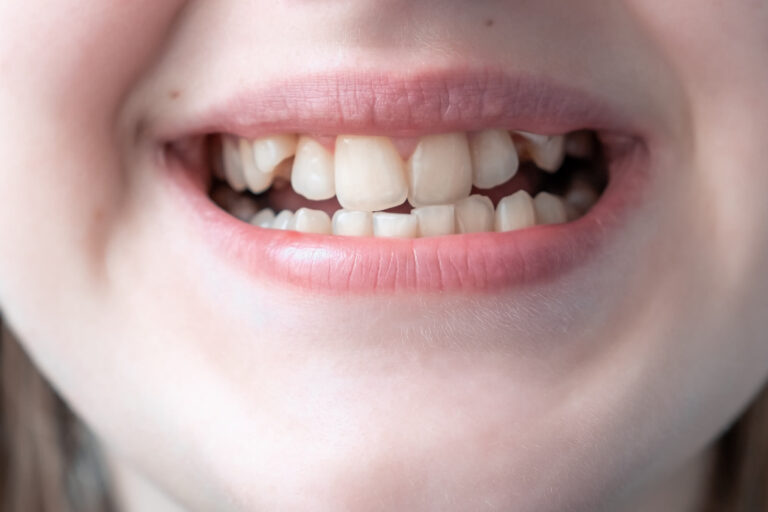
For a significant portion of the population, smiling openly feels uncomfortable—not because of shyness, but because of how they feel about their teeth. Dental anxiety, discoloration, misalignment, and other cosmetic concerns lead many people to suppress their smiles, cover their mouths when they laugh, or avoid situations where close interaction feels too exposing.
The psychological cost of this is real. Chronic smile suppression has been linked to lower self-esteem, reduced social confidence, and even increased social withdrawal. When something as natural and frequent as smiling becomes a source of anxiety, it quietly chips away at the quality of life.
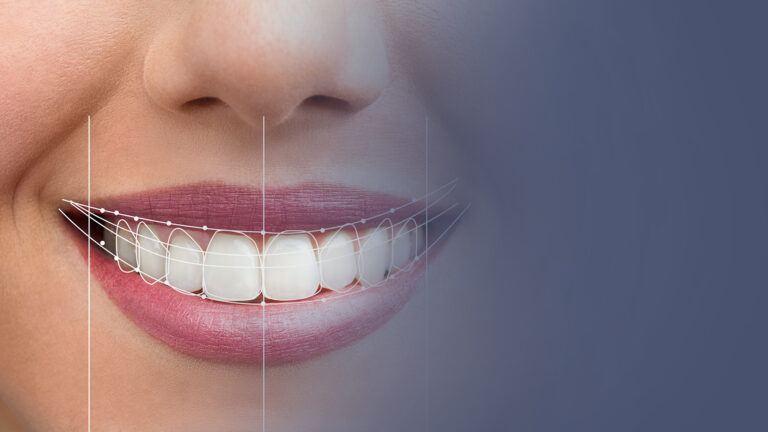
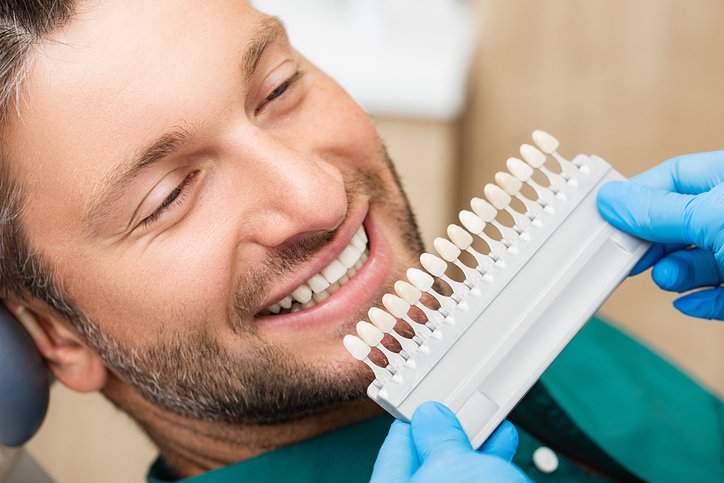
Addressing that anxiety—whether it’s rooted in a fear of the dentist or dissatisfaction with the appearance of your teeth—can be genuinely transformative. Consulting a cosmetic dentist in Lafayette is often the most effective starting point. Modern cosmetic dentistry has moved well beyond veneers and whitening; treatments today are more conservative, comfortable, and natural-looking than most people expect. For many patients, even a single consultation reframes what’s actually possible and reduces the anxiety that kept them from seeking help in the first place.
It’s also worth separating the fear of dental visits from the desire for change. Many people delay treatment not because they don’t want to improve their smile, but because the anxiety around the process feels too high. Desensitization techniques, sedation dentistry options, and transparent conversations with your practitioner about your concerns can make an enormous difference in the experience.
Practical Tips for Oral Health and a Radiant Smile
Confidence in your smile isn’t solely the result of professional treatment—it’s also built through consistent daily habits. Here are some practical steps that support both oral health and the psychological benefits that come with it:
Brush twice, floss once—but be consistent. The basics matter more than any whitening product. Clean teeth and healthy gums form the foundation of a smile you’ll feel good about.
Limit staining foods and drinks. Sugary food and beverages like coffee, red wine, and certain berries are notorious for discoloration over time. This doesn’t mean eliminating them, but rinsing with water after consuming them can help minimize their impact.
Stay hydrated. Saliva is your mouth’s natural defense system. It neutralizes acids, washes away bacteria, and protects enamel. Chronic dehydration undermines all of it.
Get regular check-ups. Preventive care is almost always less invasive and less costly than reactive treatment. Routine visits also create familiarity with your dental environment, which can gradually reduce anxiety over time.
Practice smiling. It sounds odd, but deliberate practice in front of a mirror helps many people become more comfortable with their expression. Athletes visualize performance; there’s no reason the same approach can’t apply to how you present yourself socially.
Conclusion
The confidence behind a smile is rarely just about aesthetics. It connects to how you feel in your body, how you relate to others, and how much of yourself you’re willing to put forward in any given interaction. Improving your smile—whether through better habits, addressing anxiety, or exploring what modern dentistry can offer—isn’t vanity. It’s an investment in a version of yourself that shows up more fully, connects more easily, and moves through the world with a little more ease.