Life After 40: Comparing Toric Contact Lenses, Multifocal Contacts and Varifocal Glasses
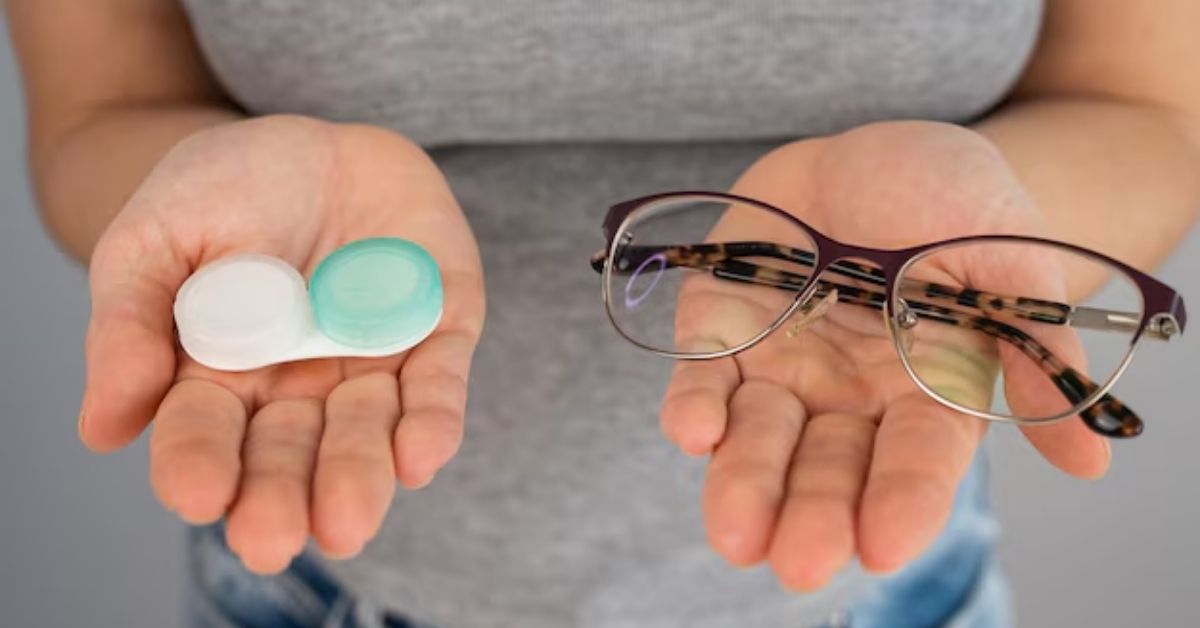
Reaching your 40s brings wisdom, confidence, and often a frustrating new reality: reading menus in dim restaurants becomes challenging, and holding your phone at arm’s length becomes necessary. For people who already wear toric contact lenses to correct astigmatism, this age-related vision change presents an important decision point. Should you stick with contacts and add reading glasses, switch to varifocal glasses, or explore multifocal contact options?
The Vision Changes You’re Experiencing
Presbyopia affects virtually everyone after 40, regardless of whether you’ve had perfect vision or worn corrective lenses your entire life. Your eye’s natural lens gradually loses flexibility, making it harder to focus on nearby objects. If you already have astigmatism, you’re now managing two distinct vision issues that both require correction.
This is where many people feel stuck. The toric contact lenses that have served you well for distance vision suddenly aren’t enough. You find yourself squinting at text messages, struggling with paperwork, or keeping reading glasses in every room of your house.
Staying with Toric Contact Lenses
If you love wearing contact lenses for their freedom and natural field of vision, you can continue using toric contact lenses for your astigmatism and distance vision. The simplest approach is adding over-the-counter or prescription reading glasses for close work.
This combination works particularly well if you only need reading correction occasionally. Keep inexpensive readers at your desk, bedside table, and in your car. Many people appreciate this flexibility because they’re not committed to wearing multifocal lenses all day when they primarily need distance correction.
The downside becomes apparent when you frequently switch between distance and near tasks. Constantly putting on and taking off reading glasses while wearing contact lenses can feel tedious during work presentations, cooking from recipes, or shopping when you need to read labels.
Upgrading to Multifocal Contact Lenses
Multifocal contact lenses represent the next evolution for contact lens wearers facing presbyopia. These lenses incorporate multiple prescriptions, allowing you to see clearly at various distances without additional glasses. For people with astigmatism, toric multifocal options correct both conditions simultaneously.
The appeal is obvious: complete freedom from glasses while maintaining clear vision at all distances. You can read restaurant menus, check your smartphone, work on your computer, and drive—all without switching between different pairs of glasses or fumbling with readers.
However, multifocal contact lenses come with considerations. They typically require a one to two week adaptation period as your brain learns to process the multiple focal points. Some wearers experience minor visual compromises, such as slight halos around lights at night or reduced contrast sensitivity compared to single-vision lenses.
Success with multifocal contact lenses often depends on realistic expectations and proper professional fitting. The technology has improved dramatically, with newer designs offering better visual quality, but they may not provide the absolutely crisp vision that single-vision correction delivers.
Transitioning to Varifocal Glasses
Varifocal glasses offer a different approach that many people over 40 find appealing. These progressive lenses seamlessly blend distance, intermediate, and reading corrections without visible lines, correcting both your astigmatism and presbyopia in one comprehensive solution.
The advantages include exceptional visual clarity, particularly for sustained reading or computer work. There’s no daily insertion routine, no cleaning solutions, and no concerns about eye dryness or infections. Your astigmatism correction remains perfectly stable since the lenses don’t move on your eyes.
Modern varifocal glasses have eliminated many issues associated with older progressive lens designs. Wide reading areas accommodate prolonged close work, while advanced digital surfacing creates smoother transitions between viewing zones. Many first-time wearers adapt within just a few days.
The trade-off is returning to wearing frames after years of contact lens freedom. However, contemporary frame designs are lighter and more stylish than ever, and many people discover they enjoy glasses as a fashion accessory that enhances their professional appearance.
The Practical Middle Ground
Many people over 40 find that maintaining multiple solutions provides optimal flexibility. You might wear multifocal contact lenses during active days, social gatherings, or when playing sports, then switch to varifocal glasses for work-intensive days, extensive reading sessions, or relaxed evenings at home.
This approach acknowledges that different situations have different demands. Contact lenses excel for physical activities and social occasions, while varifocal glasses shine during focused work requiring sustained near vision.
Making Your Decision
Consider your daily routine honestly. If you spend most of your day active and moving, multifocal contact lenses might justify the adaptation period. If your work involves hours of reading or detailed computer tasks, varifocal glasses often provide superior comfort and visual quality.
Schedule trials of both options if possible. Many eye care professionals offer multifocal contact lens trials, and most optical shops will remake varifocal glasses if you struggle with the initial fitting. Life after 40 doesn’t mean compromising on vision—it means finding the solution that keeps you seeing clearly and living fully.
Stay updated with all our recent articles — visit true realty value today.