6 Signs You May Need Bite Correction
Most people don’t think about how their teeth align—until something feels off. Maybe your jaw aches after meals, your teeth are wearing unevenly, or your smile isn’t what you’d like. These issues aren’t just cosmetic; they could be signs of bite misalignment, a surprisingly common condition.
What Is Bite Misalignment?
Bite misalignment, or malocclusion, occurs when the upper and lower teeth don’t come together properly. This can stem from genetics, childhood habits like thumb-sucking, tooth loss, or jaw injuries. Left untreated, it can strain your jaw muscles, damage your teeth, and even affect your quality of life.
The good news? It’s highly treatable. But first, you need to recognize the signs.
Physical Signs Your Bite May Be Off
Jaw Pain or Clicking
Persistent jaw pain, especially around the temporomandibular joint (TMJ), is one of the most telling signs of a misaligned bite. You might notice a clicking or popping sound when you open and close your mouth, or feel stiffness first thing in the morning. This happens because your jaw muscles are working overtime to compensate for an improper bite position.
Frequent Headaches
Bite problems and headaches are more closely linked than most people realize. When your teeth don’t align correctly, the surrounding muscles stay tense—and that tension can radiate upward, triggering chronic headaches or even migraines. If you’re reaching for pain relief more often than usual and can’t pinpoint a cause, your bite might be worth investigating.
Uneven Tooth Wear
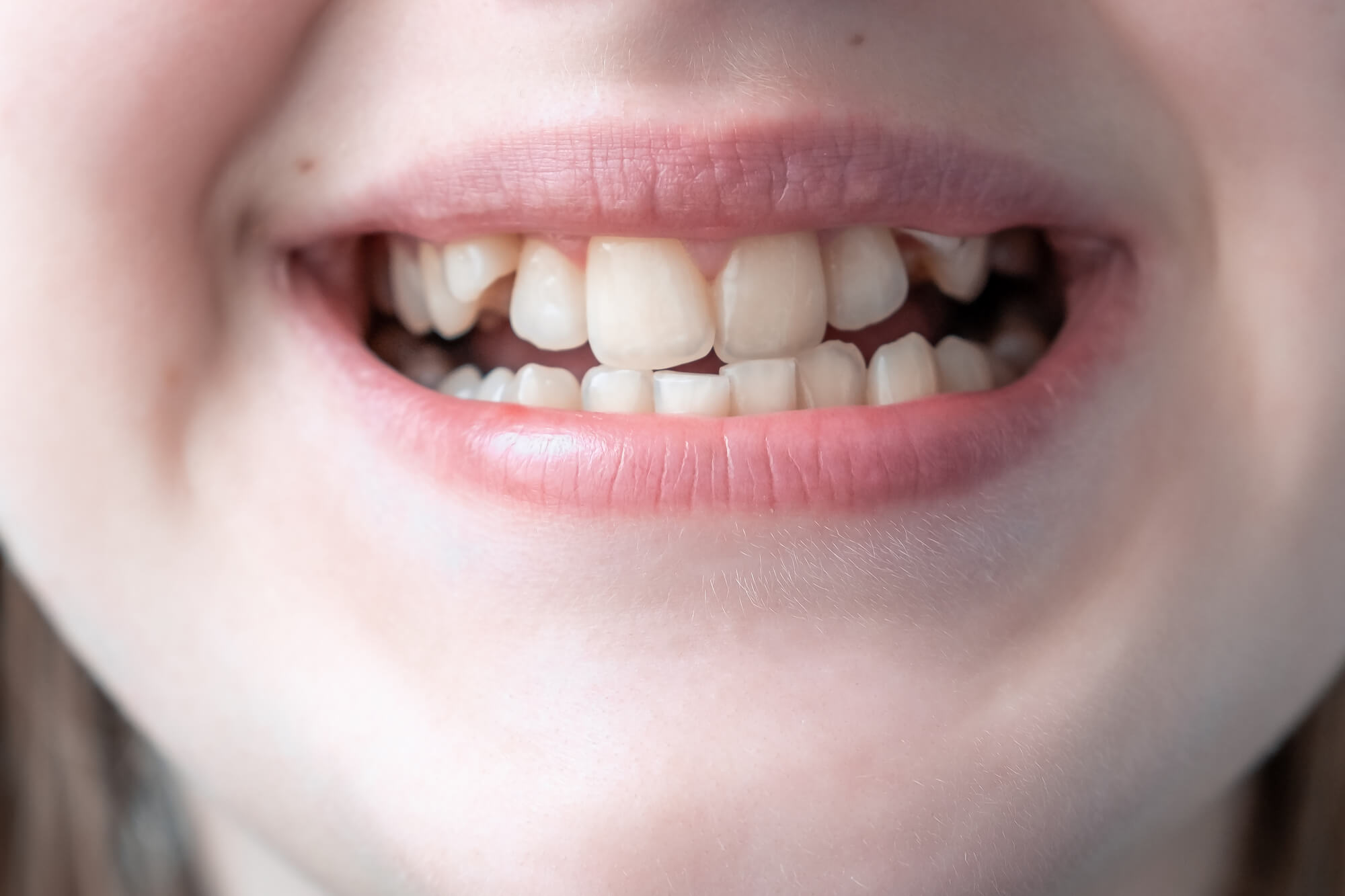
Take a close look at your teeth. Are some noticeably more worn than others? Uneven wear often points to bite misalignment, where certain teeth absorb more pressure than they should. Over time, this can lead to chipping, sensitivity, and even cracked teeth—all expensive problems that proper bite correction could have prevented.
Visual Indicators to Watch For
Overbite or Underbite
An overbite is when the upper front teeth overlap the lower teeth significantly. An underbite is the reverse—the lower teeth sit in front of the upper ones. Both are visible signs of misalignment and can affect the overall symmetry of your face in addition to your oral health.
Crowded or Crooked Teeth
When teeth don’t have enough space to erupt properly, they crowd together, overlap, or twist out of position. Crowded teeth are harder to clean, which increases the risk of decay and gum disease. They’re also a strong indicator that your bite isn’t functioning as it should.
Gaps Between Teeth
On the flip side, gaps between teeth—particularly a noticeable space between the front teeth—can also suggest misalignment. These gaps often result from the jaw being too wide for the teeth present, and can affect how your bite comes together.
Functional Warning Signs
Difficulty Chewing or Biting
Chewing should feel effortless. If you’re avoiding certain foods, chewing only on one side of your mouth, or frequently biting the inside of your cheek, your bite may be the culprit. These habits develop as your body tries to find a more comfortable position—but they only compound the problem over time.
Speech Difficulties
A misaligned bite can interfere with speech. Lisps, difficulty pronouncing certain sounds, or changes in your speech pattern may all trace back to how your teeth and jaw are positioned. Children especially may experience these issues, which can affect confidence during critical developmental years.
Why Treating Bite Misalignment Is Worth It
Ignoring a misaligned bite rarely makes it better—it usually makes it worse. Over time, untreated malocclusion can lead to significant tooth damage, worsening TMJ disorders, gum disease, and even bone loss around the teeth.
Seeking professional bite correction, on the other hand, offers lasting benefits. Treatments like orthodontics, dental splints, or restorative dental work can relieve pain, protect your teeth, improve your smile, and restore proper function. Consulting with an orthodontist around Taylorsville can help you explore your options. Many patients also report improvements in sleep quality and confidence following treatment.
The earlier you address it, the simpler the solution tends to be.
Conclusion
A misaligned bite can cause subtle issues like aches, worn molars, or headaches, which are often overlooked. These signs shouldn’t be ignored, as addressing them can protect your teeth and overall wellbeing. Consulting a dental professional for a bite assessment can help identify and correct the problem effectively.